
Updated March 31, 2026

CPK Insurance Editorial Team
Reviewed by Licensed Insurance Agents
Homeowners Insurance in Cleveland
If you are comparing homeowners insurance in Cleveland, the biggest difference is how neighborhood-level risk and property value shape the policy, not just the city name on the application. Cleveland homes face a mix of severe weather exposure, property crime, and flood concerns, so the right limits depend on where the house sits, how it was built, and what it would cost to repair after a covered loss. A home near the Cuyahoga River, in a low-lying area, or in a neighborhood with higher burglary activity may need a different balance of dwelling coverage, personal property protection, liability, and additional living expenses than a similar home elsewhere in Ohio. The local housing market also matters: with a median home value of $367,000 and a cost of living index of 96, many buyers are trying to protect a home whose rebuild cost can move quickly with labor and materials. That makes a personalized homeowners insurance quote in Cleveland more useful than a generic estimate, especially if you have detached structures, finished interior space, or valuable belongings that need the right limits.
Homeowners Insurance Risk Factors in Cleveland
Cleveland’s risk profile pushes homeowners insurance decisions toward property-specific details. The city’s top concerns include severe weather, property crime, flooding, and damage tied to high-impact home losses. Flood zone exposure affects about 13% of the city, which matters because standard policies do not treat flood the same way as other covered water-related losses. Crime is another local factor: Cleveland’s overall crime index is 104, with a property crime rate of 2199.8, so personal property coverage and dwelling protection both deserve attention. Even when a loss starts outside the home, it can quickly become a claim for theft, vandalism, or damage to doors, windows, and other structures. Severe weather can also strain roofs, siding, fences, and detached garages, making dwelling coverage and other structures coverage important for homes that have older construction or exposed exterior features. Because natural disaster frequency is listed as low, the real issue is not constant catastrophe but concentrated losses from storms, flooding, and crime patterns that vary by block.
Ohio has a moderate climate risk rating. Top hazards: Severe Storm (High), Tornado (High), Flooding (Moderate), Winter Storm (Moderate). The state's expected annual loss from natural hazards is $1.4B, which influences homeowners insurance premiums and may affect coverage availability in high-risk areas.
What Homeowners Insurance Covers
In Ohio, homeowners insurance coverage is built around the same core protections, but the details matter because state weather and rebuilding conditions can affect how much protection you need. Dwelling coverage in Ohio pays to repair or rebuild the structure of your home after covered damage, while other structures coverage can help with detached garages, sheds, or fences. Personal property coverage in Ohio protects belongings inside the home, and liability coverage can respond if someone is injured on your property. Additional living expenses coverage in Ohio may help with temporary housing if a covered loss makes your home unlivable.
Ohio does not require a state-mandated homeowners policy, and the Ohio Department of Insurance regulates the market rather than setting a universal minimum home policy. That means exclusions and endorsements vary by carrier. One important Ohio-specific point is flood: standard homeowners policies exclude flood damage, and flood insurance must be purchased separately through NFIP or a private flood insurer. That matters in a state with river flooding history and moderate flood risk.
For Ohio homeowners, it is also important to match dwelling coverage to current reconstruction costs, not market value. The state’s average dwelling coverage is about $156,000, but your home may need more or less depending on age, condition, and local construction costs. In older neighborhoods and storm-prone areas, the right endorsements can make a major difference in how a claim is paid.
Coverage Included

Dwelling
Protection for dwelling-related losses and claims

Personal Property
Protection for personal property-related losses and claims

Liability
Protection for liability-related losses and claims

Additional Living Expenses
Protection for additional living expenses-related losses and claims
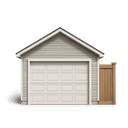
Other Structures
Protection for other structures-related losses and claims

Medical Payments
Protection for medical payments-related losses and claims
Homeowners Insurance Cost in Cleveland
In Ohio, homeowners insurance premiums are 8% below the national average. This means competitive rates are available.
Average Cost in Ohio
$77 – $345 per month
per month
- Home replacement cost and age
- Claims history
- Location and weather risk
- Roof type and condition
- Coverage limits and deductibles
Contact CPK Insurance for a personalized quote.
National average: $100 – $250 per month
* Estimates based on industry averages. Actual premiums depend on your specific business details, claims history, and coverage selections. Rates shown are for informational purposes only and do not constitute a quote.
Homeowners insurance cost in Ohio is generally below the national average, but the price still varies widely by home and coverage choices. The state’s average homeowners insurance is about $107 per month, compared with a national average of $165, and the broader average premium range in Ohio is about $77 to $345 per month. That range reflects differences in dwelling size, rebuild cost, deductibles, claims history, and policy endorsements.
Several Ohio-specific conditions affect pricing. Severe storm and tornado exposure can push premiums upward in some areas, especially where wind damage is a recurring concern. Winter storms and flooding can also influence what carriers expect to pay over time. Ohio’s reconstruction cost index is 90, which suggests rebuilding costs can be somewhat lower than the national baseline, but that does not automatically mean every home is inexpensive to insure. Older homes, wear and tear, and higher coverage limits can still raise the quote.
Location also matters because the state has a mix of urban, suburban, and rural risk profiles. A home in Columbus, Cincinnati, Cleveland, Toledo, or Dayton may be rated differently depending on neighborhood-level storm exposure, fire protection, and claims patterns. Ohio’s competitive market, with 520 active insurers and carriers such as State Farm, Progressive, Nationwide, Erie Insurance, and Allstate, gives shoppers more than one quote path. The best comparison is not just monthly price; it is the combination of premium, dwelling limit, personal property limit, liability limit, deductible, and any endorsements tied to your home’s risks. Contact CPK Insurance for a personalized quote.
Industries & Insurance Needs in Cleveland
Cleveland’s economy creates a homeowner profile that is tied closely to steady employment, family budgets, and property protection. Healthcare & Social Assistance is the largest industry at 13.8%, followed by Manufacturing at 9.4%, Retail Trade at 8.6%, Accommodation & Food Services at 8.4%, and Professional & Technical Services at 7.2%. That mix matters because households in these sectors often depend on a single residence as both their main asset and their financial anchor. If a fire, theft, or storm loss makes the home unusable, additional living expenses coverage can become a key part of the policy. The city’s 9,316 business establishments also point to a broad workforce with different budget levels and housing needs, so homeowners insurance coverage in Cleveland has to fit a wide range of property types and household situations. For many buyers, the question is not whether to buy coverage, but how to size dwelling coverage, personal property coverage, and liability coverage so the policy matches the home they actually live in.
Homeowners Insurance Costs in Cleveland
Cleveland’s homeowners insurance pricing is shaped by a cost of living index of 96, a median household income of $73,469, and a housing market where the median home value is $367,000. That combination means many homeowners are protecting a property value that may be well above the local income base, so coverage choices need to be balanced carefully. Premiums are not determined by city averages alone; they also reflect the home’s age, rebuild cost, deductible, and exposure to local loss patterns. In Cleveland, a quote can shift if the property is in a higher-crime area, near water, or has features that increase repair costs after severe weather. Because the city’s cost of living is slightly below the national baseline, some households may focus heavily on monthly price, but the better approach is to compare homeowners insurance cost in Cleveland alongside dwelling coverage, personal property coverage, and additional living expenses coverage. That helps avoid a policy that looks affordable up front but leaves gaps after a claim.
What Makes Cleveland Different
The single biggest difference in Cleveland is the combination of moderate flood exposure, elevated property crime, and a housing market where the median home value is high relative to local income. That mix changes the insurance calculus because a policy has to do more than protect the structure from weather; it also has to account for theft-related personal property losses, exterior damage, and the possibility that a covered loss could temporarily displace the household. In practical terms, homeowners insurance requirements in Cleveland are not just about satisfying a lender. They are about making sure the dwelling limit, personal property limit, and temporary housing protection are realistic for the address you own. A home in a low-lying area, one with detached structures, or one holding expensive contents can need a different coverage mix than a similar home in another Ohio city. That is why Cleveland homeowners should compare limits carefully instead of relying on a generic statewide template.
Our Recommendation for Cleveland
Start with the home’s rebuild cost, then review whether the location adds flood or theft pressure that changes the policy design. In Cleveland, a smart quote review should include dwelling coverage in Cleveland, personal property coverage in Cleveland, liability coverage in Cleveland, and additional living expenses coverage in Cleveland, because each one addresses a different local risk. If your home is near a flood-prone area or low-lying street, ask how the policy handles water-related exclusions and whether a separate flood policy is worth reviewing. If the property has a detached garage, shed, or fence, make sure other structures coverage is sized correctly. For homes with higher contents value, check whether personal property limits are enough after a theft or major storm loss. Finally, compare at least a few homeowners insurance quote in Cleveland options so you can see how different carriers price the same address, then choose the limit structure that fits your budget and the way your home is actually exposed.
Get Homeowners Insurance in Cleveland
Enter your ZIP code to compare homeowners insurance rates from carriers in Cleveland, OH.
Homeowners insurance starting at $50/mo
FAQ
Frequently Asked Questions
Start with dwelling coverage sized to the cost to rebuild your home, then check personal property, liability, and additional living expenses. In Cleveland, those limits should also reflect local crime and flood exposure.
It can. Cleveland has flood exposure in some areas, and standard homeowners policies do not treat flood the same way as other covered losses. Homes near low-lying areas or waterways should review that gap carefully.
Property crime can affect how much protection you want for belongings and home damage. A higher theft or burglary risk makes personal property coverage and dwelling protection more important to review.
With a median home value of $367,000, many homes need limits that match actual rebuild costs rather than a rough guess. That is why a Cleveland quote should be based on the property itself, not just the neighborhood name.
Other structures coverage matters most for detached garages, sheds, and fences. In Cleveland, severe weather and property damage risks make it important to confirm those limits are included.
Ohio homeowners insurance typically includes dwelling coverage, personal property coverage, liability coverage, additional living expenses coverage, and other structures coverage. It is designed to respond to covered losses such as fire, wind, hail, theft, and vandalism, but exact terms vary by carrier.
The average in Ohio is about $107 per month, with a broader state range of about $77 to $345 per month. Your actual quote depends on dwelling limit, deductible, claims history, home condition, and location.
Mortgage lenders in Ohio usually require active homeowners insurance before closing because the home secures the loan. They generally want enough dwelling coverage to protect the structure, but the exact requirement can vary by lender.
If you own your home outright, Ohio law does not force you to buy it, but the policy can still protect the dwelling, belongings, and liability exposure tied to guests or property damage. Many owners keep it because a major loss can be expensive to absorb alone.
Dwelling coverage helps repair or rebuild the structure, personal property coverage helps replace belongings, and liability coverage can respond if someone is injured on your property. In Ohio, those parts work together to protect both the home and the household budget after a covered loss.
No. Standard homeowners policies in Ohio exclude flood damage, so you need a separate flood policy through NFIP or a private flood insurer if that risk matters for your home.
Have your home details ready, then compare quotes from carriers active in Ohio such as State Farm, Progressive, Nationwide, Erie Insurance, and Allstate. An independent agent can help review limits, deductibles, and endorsements side by side.
Start with enough dwelling coverage to rebuild at current Ohio construction costs, then set personal property and liability limits that fit your household. Many buyers also review additional living expenses coverage and other structures coverage so the policy matches the home’s actual features.
Homeowners insurance covers four main areas: dwelling coverage for your home's structure, personal property coverage for your belongings, liability coverage if someone is injured on your property, and additional living expenses if you need to live elsewhere while your home is repaired. It protects against perils like fire, windstorms, hail, theft, and vandalism.
You should carry enough dwelling coverage to rebuild your home at current construction costs, not just the purchase price or market value. Personal property coverage typically starts at 50-70% of your dwelling coverage. Liability coverage of at least $300,000 is recommended, with an umbrella policy for additional protection. CPK Insurance can help you calculate the right coverage levels.
No. Standard homeowners insurance does not cover flood damage. You need a separate flood insurance policy, which can be obtained through the National Flood Insurance Program (NFIP) or private flood insurers. Even if you are not in a high-risk flood zone, flood coverage is worth considering since over 20% of flood claims occur in low-to-moderate risk areas.
Most homeowners insurance policies can be quoted and bound within 24-48 hours for standard risks. An independent agent like CPK Insurance can compare options from multiple carriers and have your policy in place quickly. Certificates of insurance are typically available the same day the policy is bound.
Yes. Bundling homeowners with auto insurance typically saves 15-25% through multi-policy discounts. Many carriers also offer discounts for adding umbrella liability coverage. An independent agent can help you find the best bundle pricing across multiple carriers.
Key factors include your home's replacement cost, age and condition, roof type and age, proximity to fire stations and hydrants, local weather risks (hurricanes, hail, wildfires), your claims history, credit-based insurance score, deductible choices, and coverage limits. Homes in high-risk areas or with older roofs pay significantly more.
Homeowners insurance typically covers sudden water damage like burst pipes or appliance leaks, but does not cover gradual leaks, sewer backups (without an endorsement), or flood damage. Flood insurance must be purchased separately through the NFIP or a private insurer. Ask your agent about water backup endorsements for additional protection.
Contact your insurance carrier's claims department immediately — most have 24/7 claims hotlines. Document the incident thoroughly with photos, written descriptions, and witness information. Notify your insurance agent as well. Prompt reporting is important, as delays can complicate or jeopardize your claim.
Updated March 31, 2026
CPK Insurance Editorial Team
Reviewed by Licensed Insurance Agents