

































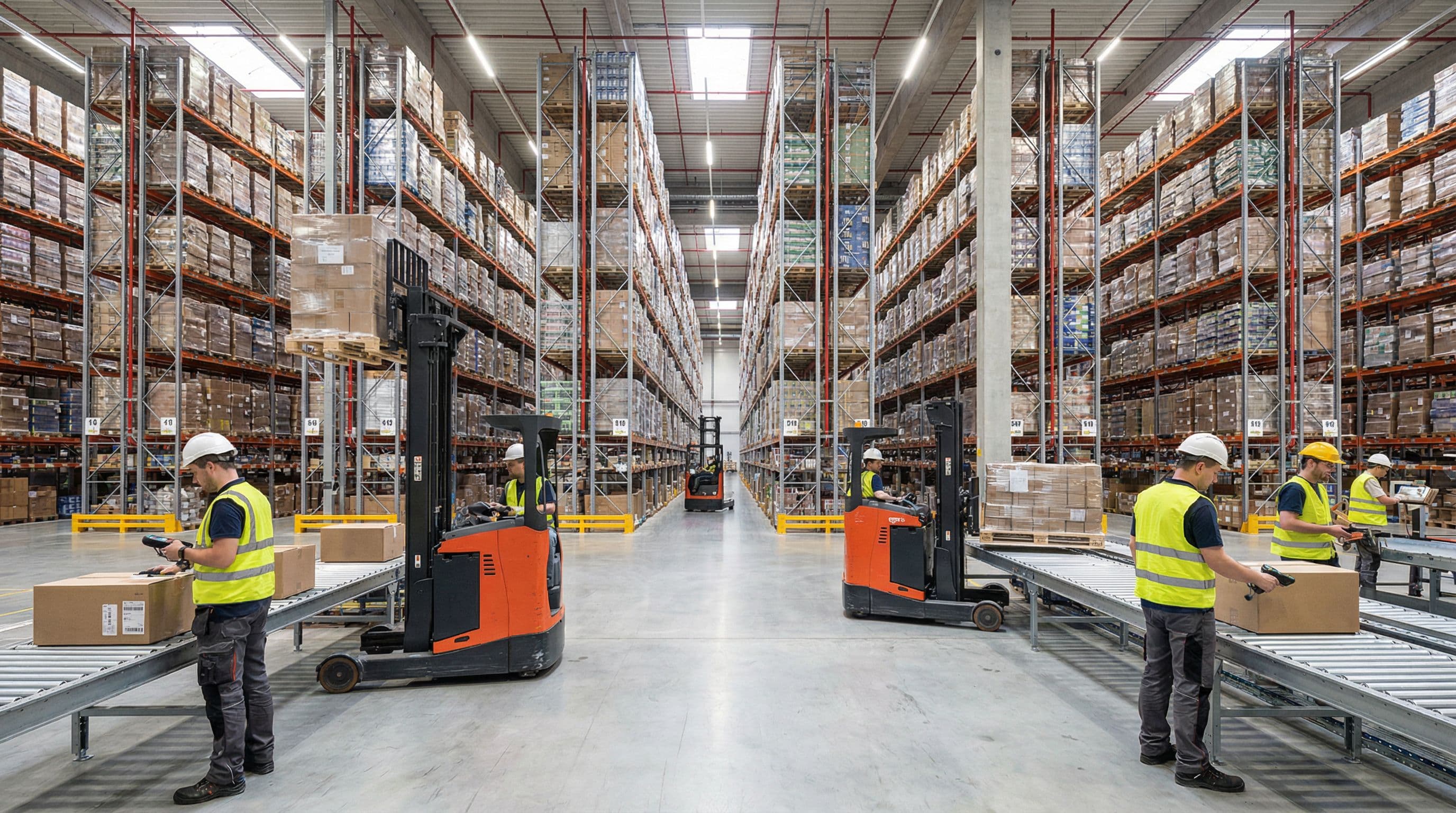
Recommended Coverage for Wholesalers & Distributors in Rhode Island
Wholesalers & Distributors businesses face unique risks that require specific coverage types. Here are the policies most wholesalers & distributors operations need:

General Liability Insurance
Essential coverage for every business — protect against third-party bodily injury, property damage, and advertising claims.

Commercial Property Insurance
Safeguard your business property, equipment, and inventory against damage and loss.

Commercial Auto Insurance
Protect your business vehicles and drivers with comprehensive commercial auto coverage.

Commercial Truck Insurance
Comprehensive coverage for trucking operations, from long-haul rigs to local delivery vehicles.

Inland Marine Insurance
Protect tools, equipment, and goods in transit or stored at locations away from your primary premises.

Workers Compensation Insurance
Cover your employees' medical expenses and lost wages for work-related injuries and illnesses.
Wholesalers & Distributors Insurance Overview in Rhode Island
Rhode Island wholesalers and distributors operate in a compact but demanding market: goods can move from Providence to Cranston or Warwick in a short drive, yet each handoff still creates exposure for inventory, fleet vehicles, and warehouse operations. In a state with 32,200 business establishments, a 99.1% small-business share, and a distribution workforce of 9,545, the margin for disruption can be tight. Add hurricane and flooding risk, coastal erosion in some areas, and frequent loading-dock activity, and the need for Wholesalers & Distributors insurance in Rhode Island becomes more than a formality.
Whether you run a warehouse, a distribution center, or a supply chain business with delivery trucks and inventory in transit, your policy should reflect what you actually store, move, and deliver. Coverage choices can also vary based on warehouse size, product type, fleet mix, and how often goods are transferred between facilities or temporary storage locations. A tailored quote helps align liability, property, auto, truck, and inland marine coverage with your day-to-day operations.
Why Wholesalers & Distributors Businesses Need Insurance in Rhode Island
Rhode Island wholesalers and distributors face a mix of operational and location-based risks that can interrupt deliveries and damage inventory quickly. The state’s climate profile shows high hurricane and flooding exposure, with moderate risk from nor’easter events and coastal erosion. For businesses near Providence, Cranston, Warwick, or other logistics corridors, weather-related losses can affect warehouse stock, shelving, equipment, and the ability to fulfill orders on time.
That matters because the business often depends on fast inventory turnover, loading docks, forklifts, delivery vehicles, and frequent third-party handoffs. Commercial Property Insurance can help with building damage, storm damage, theft, vandalism, equipment breakdown, and business interruption, but limits should reflect peak inventory levels rather than average stock. Inland Marine Insurance is also important when goods are moving between warehouses, customer sites, or temporary storage locations.
Rhode Island also requires workers compensation for businesses with at least one employee, with exemptions for sole proprietors and partners. The Rhode Island Department of Business Regulation oversees insurance matters, and commercial auto minimums in the state are $25,000/$50,000/$25,000. For distribution companies using vans, box trucks, or tractor-trailers, that makes it important to review commercial auto insurance and commercial truck insurance carefully, along with general liability for third-party claims, slip and fall, and customer injury exposures.
Rhode Island employs 9,545 wholesalers & distributors workers at an average wage of $51,600/year, with employment declining at 0.2% annually. Payroll-based coverages like workers' comp are directly tied to wage levels — higher payroll means higher premiums.
Rhode Island requires workers' comp for businesses with employees (exemptions may apply: Sole proprietors; Partners). Non-compliance can result in fines and personal liability for owners. Commercial auto minimums are $25,000/$50,000/$25,000.
Key Risks for Wholesalers & Distributors Businesses
Each of these risks can lead to claims that cost thousands — or more. Make sure your policy addresses every one:
- Inventory damage or spoilage
- Cargo theft during transit
- Warehouse fire or natural disaster
- Fleet vehicle accidents
- Product liability claims
What Drives Wholesalers & Distributors Insurance Costs in Rhode Island
Wholesalers insurance cost in Rhode Island varies based on inventory value, warehouse size and construction, product types handled, fleet size, delivery radius, and claims history. Operations that store fragile, temperature-sensitive, flammable, or high-theft goods may see higher pricing because the loss potential is greater. A business with frequent loading-dock traffic, forklifts, and multiple drivers may also see different pricing than a smaller warehouse with limited shipments.
Rhode Island’s premium index is 128 for 2024, which suggests local market conditions can differ from national averages. The state’s economy is shaped by healthcare, retail trade, accommodation and food services, manufacturing, and education, and 99.1% of businesses are small businesses. That mix can influence vendor relationships, delivery schedules, and storage needs for wholesalers and distributors.
Average wage data for the industry is $51,600, and total employment is 9,545, with Providence, Cranston, and Warwick leading industry employment. Those local concentrations can matter when you’re comparing a wholesalers and distributors insurance quote in Rhode Island because your operations may involve denser delivery routes, more warehouse traffic, and more frequent transit between facilities. Costs vary, but a quote should reflect your actual warehouse, fleet vehicles, and inventory in transit exposures.
Insurance Regulations in Rhode Island
Key regulatory requirements for businesses operating in RI.
Regulatory Authority
Rhode Island Department of Business RegulationWorkers' Compensation Insurance
Required for employers with 1+ employee.
Exempt categories:
- Sole proprietors
- Partners
Commercial Auto Minimum Liability
$25,000/$50,000/$25,000 (bodily injury per person / per accident / property damage)
Source: Rhode Island Department of Insurance, U.S. Department of Labor
Wholesalers & Distributors Employment in Rhode Island
Workforce data and economic impact of the wholesalers & distributors sector in RI.
9,545
Total Employed in RI
-0.2%
Annual Growth Rate
$51,600
Average Annual Wage
Top Cities for Wholesalers & Distributors in RI
Source: BLS QCEW, Census ACS, 2024
What Drives Wholesalers & Distributors Insurance Costs in Rhode Island
Rhode Island premiums are 28% above the national average. Comparing multiple carriers is critical for wholesalers & distributors businesses to avoid overpaying.
Rhode Island's top natural hazards — hurricane, flooding, nor'easter — directly affect property and liability premiums for wholesalers & distributors businesses. Check your policy exclusions and ask about endorsements for these perils.
CPK Insurance compares wholesalers & distributors quotes from top-rated carriers in Rhode Island. Enter your ZIP code to see rates in minutes.
Where Wholesalers & Distributors Insurance Demand Is Highest in Rhode Island
9,545 wholesalers & distributors workers in Rhode Island means significant insurance demand. These cities have the highest concentration of wholesalers & distributors businesses:
Climate Risk Profile
Natural Disaster Risk in Rhode Island
Understanding climate-related risks helps determine appropriate insurance coverage levels.
Hurricane
High
Flooding
High
Nor'easter
Moderate
Coastal Erosion
Moderate
Expected Annual Loss from Natural Hazards
$160M
estimated economic loss per year across Rhode Island
Source: FEMA National Risk Index
Insurance Tips for Wholesalers & Distributors Business Owners in Rhode Island
Match commercial property insurance for wholesalers to peak inventory levels, not just average stock, so seasonal surges in a Rhode Island warehouse are not underinsured.
Use inland marine insurance for inventory in transit between Providence, Cranston, Warwick, customer sites, and temporary storage locations.
Review commercial auto insurance for distribution companies separately from commercial truck insurance for wholesalers if you use both delivery vans and heavier trucks.
Ask how general liability insurance for distributors responds to bodily injury, property damage, and third-party claims at loading docks or customer locations.
Confirm your policy includes business interruption protection if storm damage, flooding, or a covered loss shuts down warehouse operations.
Check whether theft, vandalism, and cargo theft exposures are addressed for goods stored overnight or moved through multiple handoffs.
Make sure workers compensation insurance for warehouse staff matches your staffing levels, dock activity, forklift use, and other workplace injury exposures.
If you handle equipment in transit or mobile property, verify that tools, contractors equipment, and other movable assets are scheduled or otherwise addressed in the quote.
Get Wholesalers & Distributors Insurance in Rhode Island
Enter your ZIP code to compare wholesalers & distributors insurance rates from top carriers.
Business insurance starting at $25/mo
Wholesalers & Distributors Business Types in Rhode Island
Find insurance tailored to your specific wholesalers & distributors business. Select your business type for coverage recommendations, pricing, and quotes:

Freight Broker Insurance
Get a freight broker insurance quote built for brokerage and logistics operations that need protection when carrier policies do not fully pay a claim. Coverage can be tailored around contingent cargo, E&O, cyber, and crime needs.

Trucking Company Insurance
Get a trucking company insurance quote built around your routes, vehicles, and cargo. Compare coverage for fleets and owner-operators, including commercial auto, cargo, and liability.

Courier & Delivery Service Insurance
Get coverage built for courier operations that face vehicle accidents, package loss, and commercial auto requirements. Compare options for single vehicles, fleets, and local delivery routes.

Warehouse Insurance
Get a warehouse insurance quote built around inventory value, equipment exposure, and premises risks. Coverage can be tailored for warehouses and fulfillment centers.

Import & Export Business Insurance
Import & Export Business Insurance helps wholesalers and distributors address cargo loss, customs disputes, and international liability gaps. Get an import export business insurance quote tailored to your routes, shipment types, and trade operations.
Wholesalers & Distributors Insurance by City in Rhode Island
Insurance rates and requirements can vary by city. Find wholesalers & distributors insurance information for your area in Rhode Island:
FAQ
Wholesalers & Distributors Insurance FAQ in Rhode Island
Most wholesalers and distributors start with General Liability Insurance, Commercial Property Insurance, Commercial Auto Insurance, Inland Marine Insurance, and Workers Compensation Insurance. Businesses that run their own delivery or hauling operations often also need Commercial Truck Insurance. The right mix depends on whether you store inventory, move goods in-house, or handle regulated products.
It can help with many third-party claims involving bodily injury or property damage linked to products you sell or distribute. If you repackage, relabel, or modify products, it is especially important to review how your policy responds. Your broker can help confirm whether your operations create any exclusions or additional coverage needs.
Yes, Commercial Property Insurance can help cover inventory, shelving, equipment, and the building itself if you own the location. The key is making sure the limit reflects your actual stock levels, especially during busy seasons. Some businesses also add Inland Marine Insurance for inventory moving between locations or sitting at temporary sites.
Inland Marine Insurance is often used for goods in transit, while Commercial Truck Insurance may help with vehicle-related losses tied to your fleet. If you use third-party carriers, contract terms may determine who is responsible for the cargo. It is important to review shipment values, route risk, and whether theft protection is included.
If your business owns or operates trucks for deliveries, pickups, or regional distribution, Commercial Truck Insurance may be necessary even for a small fleet. A single accident can create repair costs, liability exposure, and delivery delays. Coverage can be tailored to box trucks, straight trucks, and tractor-trailers depending on your operation.
Workers Compensation Insurance can help cover medical expenses and lost wages if employees are injured while lifting, loading, operating forklifts, or working on the dock. Warehouses often have repetitive-motion and slip-and-fall risks that make this coverage especially important. Many states require it once you reach certain employee thresholds.
You should ask whether your Commercial Property Insurance and Inland Marine Insurance address spoilage from power failure, refrigeration breakdown, or transit delays. Food, pharmaceuticals, and other sensitive goods may need special endorsements or separate limits. Your coverage should reflect how quickly inventory can be lost if conditions change.
Commercial Property Insurance can help with damage to the warehouse, stock, and equipment. Depending on your policy, business interruption coverage may also help replace lost income during repairs, though that is not the same as property coverage. Distributors with single-location operations should pay close attention to downtime because fulfillment delays can affect multiple customers at once.