







































Updated March 31, 2026

CPK Insurance Editorial Team
Reviewed by Licensed Insurance Agents
Commercial Truck Insurance in Tennessee
Buying commercial truck insurance in Tennessee means looking beyond a standard auto policy and matching your limits to how you actually haul across the state’s freight corridors, storm-prone routes, and dense metro traffic. commercial truck insurance in Tennessee is especially relevant if you run freight through Nashville, Memphis, Knoxville, Chattanooga, or along I-40 and I-24, where severe weather, high traffic volumes, and cargo exposure can all affect your policy choices. Tennessee’s insurance market is active, with 420 insurers competing for business, but the state’s tornado history, flooding risk, and elevated crash rates still shape how underwriters view trucking operations. If your work includes long haul, regional delivery, or local hauling, the right mix of motor carrier liability, physical damage, cargo, and trailer interchange can help align your policy with shippers’ and brokers’ expectations. This page focuses on Tennessee-specific pricing, requirements, and buying steps so you can compare a commercial truck insurance quote in Tennessee with a clearer sense of what matters most for your route, vehicle type, and operating profile.
What Commercial Truck Insurance Covers
Commercial truck insurance coverage in Tennessee is built around the way your trucks move freight and the contracts you sign. Core protection can include motor carrier liability, physical damage coverage for trucks, cargo insurance for trucks, trailer interchange, bobtail coverage, and non-trucking liability insurance, depending on whether you haul under your own authority, lease on, or run mixed-use equipment. Tennessee does not add a special truck-only minimum in the data provided here, so your commercial truck insurance requirements in Tennessee should be checked against your operation type, federal freight rules where applicable, and any shipper or broker contract you accept. The state’s commercial auto minimums are listed as $25,000/$50,000/$15,000, but trucking policies often need higher liability limits than a basic auto filing because freight contracts and motor carrier standards can call for more.
Tennessee’s weather profile matters too. Very high tornado risk, high flooding risk, and high severe storm exposure can increase the importance of physical damage and cargo planning, especially for trucks running through storm corridors or parking in exposed yards. Coverage terms can vary by endorsement, deductibles, and the type of freight you haul, so a refrigerated truck, flatbed, tanker, or box truck may not need the same structure. Cargo coverage is usually a separate section, and trailer interchange only applies when you are responsible for a non-owned trailer under an agreement. Bobtail coverage and non-trucking liability are also different: one addresses a tractor without a trailer, while the other addresses off-dispatch use. The Tennessee Department of Commerce and Insurance oversees the market, so policy wording, filings, and carrier appetite can vary by insurer.

Motor Carrier Liability
Protection for motor carrier liability-related losses and claims
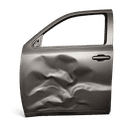
Physical Damage
Protection for physical damage-related losses and claims
Cargo Coverage
Protection for cargo coverage-related losses and claims
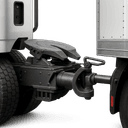
Trailer Interchange
Protection for trailer interchange-related losses and claims
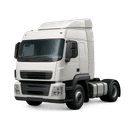
Bobtail Coverage
Protection for bobtail coverage-related losses and claims

Non-Trucking Liability
Protection for non-trucking liability-related losses and claims
Commercial Truck Insurance Requirements in Tennessee
- Tennessee commercial auto minimums are listed as $25,000/$50,000/$15,000, but those amounts may not be enough for freight operations that need higher liability limits.
- The Tennessee Department of Commerce and Insurance is the regulatory body referenced for this market, so carrier availability and policy wording can vary by insurer.
- Tennessee’s tornado, flooding, and severe storm risk can influence physical damage coverage for trucks in Tennessee and cargo insurance for trucks in Tennessee.
- Trailer interchange, bobtail coverage, and non-trucking liability insurance are separate coverages and should be matched to how the tractor is actually used.
How Much Does Commercial Truck Insurance Cost in Tennessee?
Average Cost in Tennessee
$235 – $940 per month
per truck/month
- Coverage limits and deductibles
- Claims history
- Location
- Industry or risk profile
- Policy endorsements
Contact CPK Insurance for a personalized quote.
National average: $250 – $1,000 per truck/month
* Estimates based on industry averages. Actual premiums depend on your specific business details, claims history, and coverage selections. Rates shown are for informational purposes only and do not constitute a quote.
The Tennessee price picture for commercial truck insurance is shaped by the state’s average premium range of $235 to $940 per month, or about $250 to $1,000 per truck per month in the product data. That range is only a starting point, because your commercial truck insurance cost in Tennessee will move based on coverage limits, deductibles, claims history, location, industry or risk profile, and policy endorsements. Tennessee’s premium index of 94 suggests prices are below the national average overall, and the state-specific data shows premiums about 6% below national levels, but trucking accounts can still price higher when the operation has heavier freight exposure or more miles in higher-risk corridors.
Location matters in Tennessee more than many owners expect. A truck based near Nashville, Memphis, or other high-traffic freight markets can face different underwriting scrutiny than one running lighter local routes in less dense areas. Tennessee’s elevated tornado risk, high flooding risk, and severe storm history can also affect physical damage and cargo pricing, especially if equipment is parked outdoors or runs through storm-prone counties. Claims history is another major lever: Tennessee’s auto claim cost data shows an average claim cost of $16,979, which helps explain why carriers pay close attention to prior losses. The state also has 420 active insurance companies, so quotes can vary materially from one carrier to another.
For comparison shopping, the top carriers listed in-state include State Farm, Tennessee Farmers, GEICO, Progressive, and Allstate. Because coverage needs vary by truck type, freight, and contract terms, a commercial truck insurance quote in Tennessee is usually more useful than a broad online estimate. If your operation adds cargo, trailer interchange, or motor carrier liability coverage in Tennessee, the premium can rise or fall depending on limits, deductibles, and endorsements.
Get Your Personalized Quote
Enter your ZIP code to compare commercial truck insurance rates from top carriers.
Business insurance starting at $25/mo
Who Needs Commercial Truck Insurance?
Commercial truck insurance in Tennessee is relevant for owner-operators, small fleets, and larger trucking companies that move freight within the state or across state lines. It is especially important for businesses that depend on transportation and warehousing, one of Tennessee’s top employment sectors at 7.2% of jobs, because those operations often need trucks working on tight schedules through major freight hubs and interstate corridors. If you haul long-haul freight, regional deliveries, or local loads, your exposure changes with each route, parking location, and cargo type.
Owner-operators who lease onto a motor carrier often need a policy that can respond to the specific liability structure in the lease agreement. That can include motor carrier liability coverage in Tennessee, non-trucking liability insurance in Tennessee, and bobtail coverage in Tennessee depending on when the tractor is being used. Fleets running box trucks, flatbeds, dump trucks, tankers, refrigerated trucks, or delivery vans may need a different mix of physical damage coverage for trucks in Tennessee and cargo insurance for trucks in Tennessee because the value of the equipment and the freight changes the risk profile.
Tennessee’s business landscape also makes this coverage practical for small companies. The state has 168,200 businesses, and 99.5% are small businesses, so many trucking accounts are owner-led or family-run rather than large national fleets. In that environment, commercial truck insurance requirements in Tennessee often need to be matched to the exact job: local hauling in urban traffic, regional freight through storm-prone counties, or long haul work with higher mileage and more time on the road. If your trucks cross state lines, carry customer freight, or operate under shipper contracts, the policy structure should be reviewed before dispatch.
Commercial Truck Insurance by City in Tennessee
Commercial Truck Insurance rates and coverage options can vary across Tennessee. Select your city below for localized information:
How to Buy Commercial Truck Insurance
To buy commercial truck insurance in Tennessee, start by matching your policy request to how you operate: truck type, radius of travel, freight hauled, whether you lease to a motor carrier, and whether you need cargo, trailer interchange, bobtail, or non-trucking liability. Because the Tennessee Department of Commerce and Insurance regulates the market, it helps to work with an agent who understands the state’s carrier options and the documentation commonly needed for trucking accounts. Tennessee businesses should compare quotes from multiple carriers, and that matters here because 420 insurers compete in the state and pricing can vary by risk profile.
Have your vehicle list ready, including semi-trucks, tractor-trailers, box trucks, flatbeds, dump trucks, tankers, refrigerated trucks, or delivery vans if those are in your operation. You should also be ready to share your claims history, operating territory, annual mileage, cargo type, and any endorsements you need. If you haul freight that requires higher liability limits, confirm whether your shipper, broker, or lease agreement asks for more than the state’s commercial auto minimums of $25,000/$50,000/$15,000. Federal freight requirements may also apply depending on what you haul, and the product data notes that general freight carriers may need at least $750,000 in liability coverage, with higher limits for hazardous materials.
A commercial truck insurance quote in Tennessee can often be quoted and bound within 24 to 48 hours for standard risks, and certificates are typically available the same day the policy is bound. That said, more complex fleets, higher limits, or unusual freight can take longer. Before binding, confirm which coverages are included, whether trailer interchange applies to non-owned trailers, and whether your policy is written for your exact operating pattern under Tennessee trucking insurance conditions.
How to Save on Commercial Truck Insurance
The most practical way to lower commercial truck insurance cost in Tennessee is to tighten the risk profile that underwriters see. Start with accurate vehicle and driver information, because claims history, location, and policy endorsements all affect pricing. If you operate in storm-prone parts of Tennessee, especially areas exposed to tornadoes, flooding, or severe storms, ask whether changing deductibles on physical damage coverage for trucks in Tennessee makes sense for your cash flow and repair tolerance.
Comparing quotes matters in this state because Tennessee has 420 active insurers and a premium index of 94, so one carrier may price your operation differently than another. Ask for a commercial truck insurance quote in Tennessee from multiple carriers and compare not just price, but the structure of truck liability insurance in Tennessee, motor carrier liability coverage in Tennessee, cargo insurance for trucks in Tennessee, and any bobtail coverage in Tennessee or non-trucking liability insurance in Tennessee you may need. A lower premium can look attractive, but the real comparison is whether the policy fits your routes, freight, and contracts.
Bundling can also matter. The product data says some businesses save 10% to 20% through multi-policy discounts when they combine trucking coverage with other business policies. If you have a small fleet or multiple vehicles, ask whether your carrier treats the account more favorably when you insure the whole operation together. Keeping a clean claims record, using drivers with strong histories, and documenting safety procedures can also help. Since Tennessee’s weather and traffic conditions can raise loss potential, carriers may respond well to proof that your operation uses route planning, secure parking, and careful cargo handling. Finally, review your endorsements annually so you are not paying for coverage you no longer need or missing protection you now require.
Our Recommendation for Tennessee
For Tennessee trucking buyers, the best starting point is to define the job before you shop. A local hauler in Nashville, a regional carrier running through Memphis, and a long-haul operator crossing multiple states will not need the same mix of liability, cargo, and physical damage. Because Tennessee has 420 insurers, below-average premium index data, and high weather exposure, the right quote comparison should focus on fit, not just price. I would prioritize motor carrier liability coverage in Tennessee first, then add cargo insurance for trucks in Tennessee, trailer interchange, bobtail coverage, or non-trucking liability insurance only if your routes and contracts call for them. If you haul freight for shippers or brokers, verify whether their contract asks for limits above the state’s basic commercial auto minimums. The strongest applications are usually the ones with clear vehicle schedules, clean loss runs, and a specific explanation of where the truck operates, where it parks, and what it carries.
FAQ
Frequently Asked Questions
In Tennessee, it can be structured to include motor carrier liability, physical damage, cargo coverage, trailer interchange, bobtail coverage, and non-trucking liability insurance, depending on whether you run local, regional, or long-haul freight.
The state data lists commercial auto minimums of $25,000/$50,000/$15,000, but trucking accounts often need higher limits based on freight contracts, federal rules, and the way the truck is used.
The state-specific average range is about $235 to $940 per month, or $250 to $1,000 per truck per month, with pricing affected by limits, deductibles, claims history, location, risk profile, and endorsements.
Cargo coverage is important if you are responsible for freight in transit, while physical damage coverage helps protect the truck itself; Tennessee’s severe weather and storm exposure can make both worth reviewing closely.
They serve different situations: bobtail coverage applies when the tractor is being driven without a trailer, while non-trucking liability applies to off-dispatch use; the right choice depends on your lease and operating pattern.
For standard risks, many policies can be quoted and bound within 24 to 48 hours, and certificates are typically available the same day the policy is bound.
The state data highlights State Farm, Tennessee Farmers, GEICO, Progressive, and Allstate among the top carriers, but you should compare multiple quotes because pricing and coverage can vary by operation.
Be ready with your truck list, cargo type, routes, claims history, annual mileage, parking setup, and any endorsements you need, because those details affect how the carrier prices the account.
Commercial truck insurance covers a wide range of vehicles including semi-trucks, tractor-trailers, box trucks, flatbeds, dump trucks, tankers, refrigerated trucks, and delivery vans. Coverage is available for owner-operators, small fleets, and large trucking companies.
Federal regulations (FMCSA) require a minimum of $750,000 in liability coverage for general freight carriers. Trucks hauling hazardous materials may need $1 million to $5 million in coverage. Many shippers and brokers require higher limits than the federal minimums.
Cargo coverage is available as part of your commercial truck insurance policy but is typically a separate coverage section. It protects the goods you are transporting against theft, damage, or loss during transit. Coverage limits and terms depend on the type of freight you haul.
Most commercial truck insurance policies can be quoted and bound within 24-48 hours for standard risks. An independent agent like CPK Insurance can compare options from multiple carriers and have your policy in place quickly. Certificates of insurance are typically available the same day the policy is bound.
Yes. Bundling commercial truck insurance with your other business insurance policies — such as general liability, commercial property, and workers compensation — typically saves 10-20% through multi-policy discounts. An independent agent can help you find the best bundle pricing across multiple carriers.
Key factors include your industry classification, annual revenue, number of employees, claims history, coverage limits, deductible choices, and geographic location. Coverage limits and deductibles, Claims history, Location, Industry or risk profile, Policy endorsements are all considered in pricing.
Your commercial truck policy covers drivers listed on the policy or included under a blanket driver endorsement. All drivers must meet the carrier's eligibility requirements (MVR check, CDL status, age minimums). Adding or removing drivers typically requires notifying your agent. Owner-operators and subcontractors usually need their own policies.
Contact your insurance carrier's claims department immediately — most have 24/7 claims hotlines. Document the incident thoroughly with photos, written descriptions, and witness information. Notify your insurance agent as well. Prompt reporting is important, as delays can complicate or jeopardize your claim.
Updated March 31, 2026
CPK Insurance Editorial Team
Reviewed by Licensed Insurance Agents