






































Updated March 31, 2026

CPK Insurance Editorial Team
Reviewed by Licensed Insurance Agents
Inland Marine Insurance in Virginia
If your business moves tools, materials, or customer property across Richmond job sites, Northern Virginia service calls, or temporary storage near the coast, inland marine insurance in Virginia is often the coverage that fills the gap left by fixed-location property policies. Virginia’s market is active, with 520 insurers competing and premiums that sit close to the national average, but the right policy still depends on what you move, where you store it, and how often it travels. That matters here because the state’s risk picture includes high hurricane and flooding exposure, plus recurring severe storms that can interrupt work, damage materials, or affect items sitting at a job site. Virginia also has 222,600 businesses, and 99.5% are small businesses, so many buyers need flexible protection for mobile business property rather than a one-size-fits-all policy. If you are comparing inland marine insurance coverage in Virginia, the key question is not whether you own property, but whether that property leaves a fixed address and needs protection while it is in transit, on-site, or temporarily stored.
What Inland Marine Insurance Covers
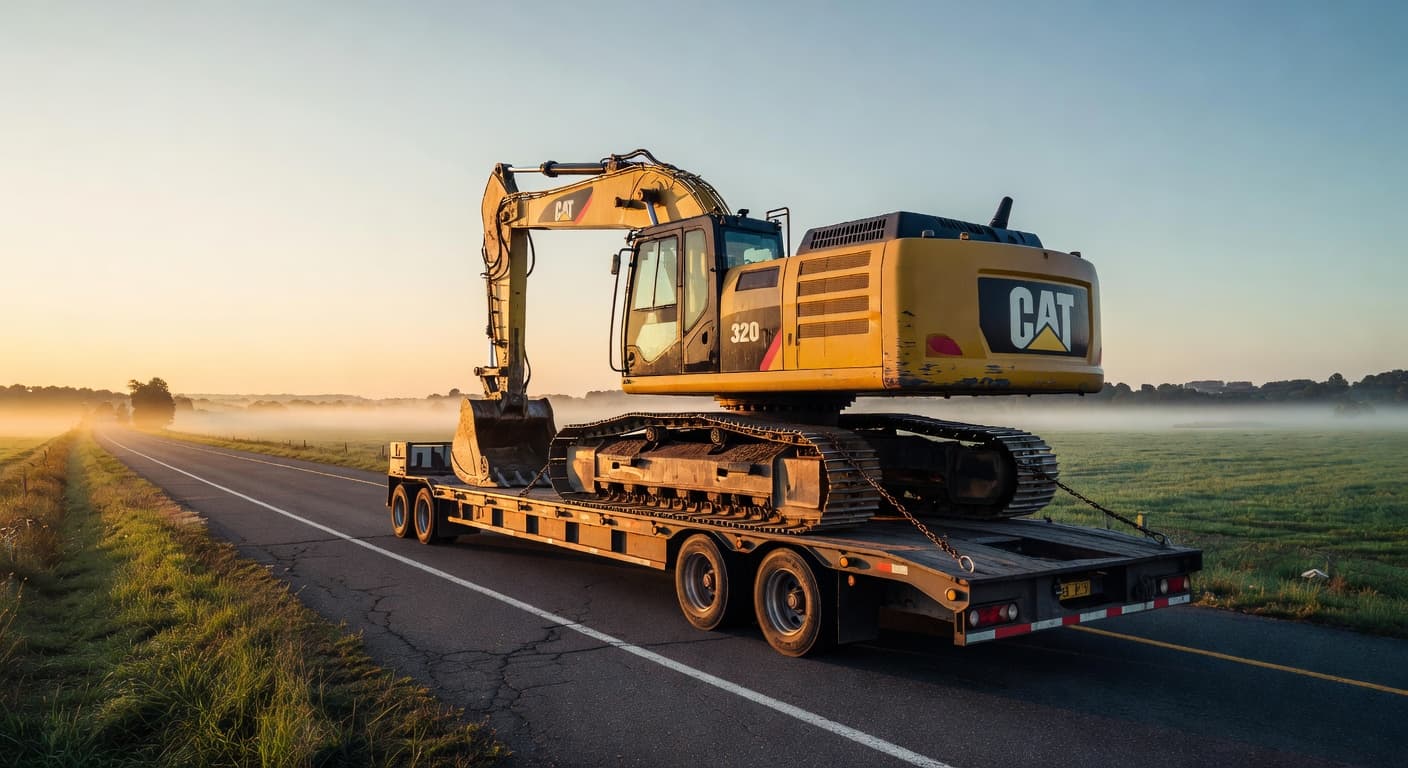
In Virginia, inland marine insurance is designed for business property that moves between locations or stays away from your main premises, including tools, equipment, materials, and goods being transported over land. The coverage typically follows the property to job sites, customer locations, and temporary storage, which is important for Virginia businesses working in places like Richmond, Norfolk, Virginia Beach, Roanoke, or Arlington where projects may shift frequently. Based on the product details, the main coverage groups include tools and equipment, goods in transit, contractors equipment, installation floater, and builders risk. That means a contractor can insure portable tools, a business can protect materials while they are being delivered, and a project owner can consider builders risk for materials used in construction. Virginia does not add a special statewide mandate for inland marine, but the policy still has to fit the business size, industry, and the property being scheduled or described in the application. Coverage terms vary by carrier, and exclusions or endorsements can differ depending on limits, deductibles, and the type of property being moved. Because Virginia is regulated by the Virginia Bureau of Insurance, buyers should compare forms carefully and confirm how offsite storage, job-site property, and installation-related materials are handled before binding.
Tools & Equipment
Protection for tools & equipment-related losses and claims

Goods in Transit
Protection for goods in transit-related losses and claims
Contractors Equipment
Protection for contractors equipment-related losses and claims

Installation Floater
Protection for installation floater-related losses and claims

Builders Risk
Protection for builders risk-related losses and claims
Inland Marine Insurance Requirements in Virginia
- Virginia inland marine coverage is regulated by the Virginia Bureau of Insurance, so policy forms and endorsements should be reviewed carefully before purchase.
- There is no state-specific minimum limit stated for inland marine, but coverage requirements may vary by industry and business size.
- Temporary storage, job-site placement, and transit coverage should be confirmed in writing because these exposures are central to the policy and can differ by carrier.
- If your business needs builders risk coverage in Virginia, installation floater coverage in Virginia, or contractors equipment insurance in Virginia, confirm which form applies before you quote.
How Much Does Inland Marine Insurance Cost in Virginia?
Average Cost in Virginia
$24 – $144 per month
per month
- Coverage limits and deductibles
- Claims history
- Location
- Industry or risk profile
- Policy endorsements
Contact CPK Insurance for a personalized quote.
National average: $33 – $167 per month
* Estimates based on industry averages. Actual premiums depend on your specific business details, claims history, and coverage selections. Rates shown are for informational purposes only and do not constitute a quote.
For inland marine insurance cost in Virginia, the product data shows an average range of $24 to $144 per month in the state, which is slightly below the national benchmark in the input. That pricing sits in a market where Virginia’s insurance premium index is 96, 520 active insurers compete for business, and coverage needs can vary widely by industry and business size. The biggest pricing drivers in Virginia are coverage limits, deductibles, claims history, location, industry or risk profile, and policy endorsements. A contractor moving expensive tools through storm-prone parts of the state may pay differently than a small service business carrying lighter mobile property across a shorter route. Climate also matters here because Virginia has high hurricane and flooding risk, and the disaster history includes recent severe storms and tropical systems that caused billions in estimated damage. Those factors can influence how carriers view goods in transit coverage in Virginia, contractors equipment insurance in Virginia, and installation floater coverage in Virginia. The state’s strong small-business base also means many policies are tailored to lean operations, where the insured value is often concentrated in a few high-use items. Contact CPK Insurance for a personalized quote, since the actual inland marine insurance quote in Virginia will depend on the property list, territory, and selected endorsements.
Get Your Personalized Quote
Enter your ZIP code to compare inland marine insurance rates from top carriers.
Business insurance starting at $25/mo
Who Needs Inland Marine Insurance?
Virginia businesses that regularly move property or work away from a fixed location are the core fit for this coverage. Contractors in the Richmond metro, Northern Virginia, Hampton Roads, and growing suburban corridors often need tools and equipment insurance in Virginia because their gear travels between warehouses, trucks, job sites, and temporary storage. Electricians, plumbers, landscapers, and general trades businesses are common examples, especially when they depend on portable equipment that is expensive to replace. Businesses tied to Virginia’s largest employment sector, Professional & Technical Services, may also need mobile business property insurance in Virginia when they carry specialized equipment to client sites rather than storing everything at headquarters. Retail and accommodation or food service businesses can also have exposure if they move property between locations or hold customer property during a project or event. Virginia’s 222,600 businesses are overwhelmingly small businesses, so many owners do not have large risk-management departments and need a policy that can be matched to a short equipment schedule or a few high-value items. If a business needs contractors equipment insurance in Virginia, installation floater coverage in Virginia, or builders risk coverage in Virginia, inland marine is often part of the conversation because it can address property that is not protected well by standard fixed-location property insurance. Buyers in coastal and storm-prone areas should pay extra attention to where property is kept overnight, because temporary storage and job-site placement can change the risk profile.
Inland Marine Insurance by City in Virginia
Inland Marine Insurance rates and coverage options can vary across Virginia. Select your city below for localized information:
How to Buy Inland Marine Insurance
Buying inland marine insurance in Virginia starts with identifying what property moves, where it goes, and how often it is offsite. The Virginia Bureau of Insurance regulates the market, so buyers should work with a licensed agent or broker who can compare carrier forms and explain how each policy treats tools, scheduled equipment, materials in transit, and temporary storage. Virginia businesses should compare quotes from multiple carriers because the state has 520 active insurers and the available forms can differ even when the coverage name looks the same. Start by listing the equipment, estimated values, replacement cost, travel radius, job-site locations, and whether the property is used for installation work, construction work, or delivery between locations. If you are applying for inland marine insurance coverage in Virginia, carriers may ask about claims history, location, industry, deductible choice, and any endorsements you want. That is especially important for businesses operating in coastal counties, the Richmond area, or places exposed to flooding and severe storms. The application process is usually straightforward, and many standard risks can be quoted and bound quickly once the carrier has the schedule and business details. Before you buy, confirm whether your policy is written for tools and equipment, goods in transit, contractors equipment, installation floater, or builders risk, because each form addresses a different kind of mobile property exposure. Ask for the policy wording in writing so you can verify what is covered at job sites, in temporary storage, and while items are being transported across Virginia.
How to Save on Inland Marine Insurance
To manage inland marine insurance cost in Virginia, focus first on matching the policy to the actual property exposure instead of buying broader limits than you need. Because pricing is driven by coverage limits, deductibles, claims history, location, industry, and endorsements, a clean and accurate equipment list can help avoid paying for items that are no longer used or no longer mobile. Virginia’s market is competitive, so getting an inland marine insurance quote in Virginia from multiple carriers is one of the most practical ways to compare forms and pricing. Many businesses can also look at bundle opportunities, since the product data notes that combining inland marine with other business coverage may produce multi-policy discounts, though the exact savings vary. Another useful strategy is to separate high-value scheduled items from lower-value general tools so the policy structure reflects how the business actually operates. For companies with job sites across the state, choosing secure overnight storage and documenting where property is kept can also support better underwriting conversations. In a state with high hurricane and flooding exposure, carriers may pay close attention to how property is protected when it is not in use, so clear storage procedures and maintenance records matter. If your business operates in Virginia cities with frequent project turnover, keep your inventory updated and review the policy whenever you add equipment, change contractors, or expand into new counties. That helps reduce gaps and prevents paying for outdated exposure.
Our Recommendation for Virginia
For Virginia buyers, the smartest approach is to treat inland marine insurance as a mobile-property policy, not a warehouse policy. Start with the items that leave your fixed location, then choose the form that fits the exposure: tools and equipment, goods in transit, contractors equipment, installation floater, or builders risk. In a state with 520 insurers, close-to-average pricing, and high hurricane and flooding exposure, the best outcome usually comes from comparing forms rather than focusing only on the premium number. I would also pay special attention to where the property sits overnight, whether it moves through Richmond, coastal Virginia, or Northern Virginia, and whether temporary storage is part of the operation. If you are unsure whether the policy should cover a job site, a delivery route, or a project in progress, ask for the wording before you bind. That is the cleanest way to avoid a mismatch between the business’s real movement of property and the policy’s actual scope.
FAQ
Frequently Asked Questions
In Virginia, it can cover business property that moves over land, including tools, equipment, materials, and goods being transported between locations. The key is that the property is not limited to your fixed business address.
It is designed to follow covered property while it is away from your main location, including job sites and temporary storage. In Virginia, you should confirm the carrier’s wording because storage conditions and location details can affect how the policy responds.
Contractors, electricians, plumbers, landscapers, photographers, caterers, IT service providers, and other businesses that move valuable property regularly are common Virginia buyers. Businesses that ship goods or hold customer property may also need it.
Coverage limits, deductibles, claims history, location, industry or risk profile, and policy endorsements are the main cost drivers. Virginia’s storm and flooding exposure can also influence how carriers price mobile property risks.
Virginia businesses should work with a licensed agent, compare quotes from multiple carriers, and provide a clear list of mobile property, values, storage locations, and usage. Coverage requirements may vary by industry and business size.
Prepare an inventory of tools, equipment, materials, and goods that move between locations, then request quotes from multiple carriers. A Virginia agent can help compare forms and explain whether you need tools and equipment insurance, contractors equipment insurance, or another inland marine form.
Choose based on what actually moves and where it is used. Portable hand tools point toward tools and equipment coverage, larger movable machinery may fit contractors equipment, and materials awaiting installation may point toward installation floater coverage.
Use the replacement cost of the property that moves, then test that amount against how much loss your business could absorb. In Virginia, it helps to review the schedule whenever you buy new equipment, expand into new counties, or change storage practices.
Inland marine insurance covers business property in transit, at job sites, or at temporary locations. This includes tools, equipment, building materials, electronics, artwork, and goods being shipped. Coverage applies to theft, damage, vandalism, and other covered perils while the property is away from your primary business location.
Commercial property insurance covers items at your fixed business location. Inland marine insurance covers property that is mobile, in transit, or stored offsite. If your business regularly moves valuable equipment or goods between locations, you need inland marine coverage to fill the gap left by your commercial property policy.
Businesses that regularly transport valuable property or work at various locations benefit most from inland marine insurance. This includes contractors, electricians, plumbers, landscapers, photographers, caterers, IT service providers, and any business that uses expensive portable equipment. It is also important for businesses that ship goods or hold customer property.
Most inland marine insurance policies can be quoted and bound within 24-48 hours for standard risks. An independent agent like CPK Insurance can compare options from multiple carriers and have your policy in place quickly. Certificates of insurance are typically available the same day the policy is bound.
Yes. Bundling inland marine insurance with your other business insurance policies — such as general liability, commercial property, and workers compensation — typically saves 10-20% through multi-policy discounts. An independent agent can help you find the best bundle pricing across multiple carriers.
Key factors include your industry classification, annual revenue, number of employees, claims history, coverage limits, deductible choices, and geographic location. Coverage limits and deductibles, Claims history, Location, Industry or risk profile, Policy endorsements are all considered in pricing.
Inland marine typically covers your owned or leased equipment, tools, and materials while in transit or at job sites. Equipment in the care of subcontractors may or may not be covered depending on your policy terms. Rented or borrowed equipment usually requires a separate equipment floater or a rental agreement endorsement. Review your policy's 'property of others' provisions with your agent.
Contact your insurance carrier's claims department immediately — most have 24/7 claims hotlines. Document the incident thoroughly with photos, written descriptions, and witness information. Notify your insurance agent as well. Prompt reporting is important, as delays can complicate or jeopardize your claim.
Updated March 31, 2026
CPK Insurance Editorial Team
Reviewed by Licensed Insurance Agents