






































Updated March 31, 2026

CPK Insurance Editorial Team
Reviewed by Licensed Insurance Agents
Farm Insurance in Washington
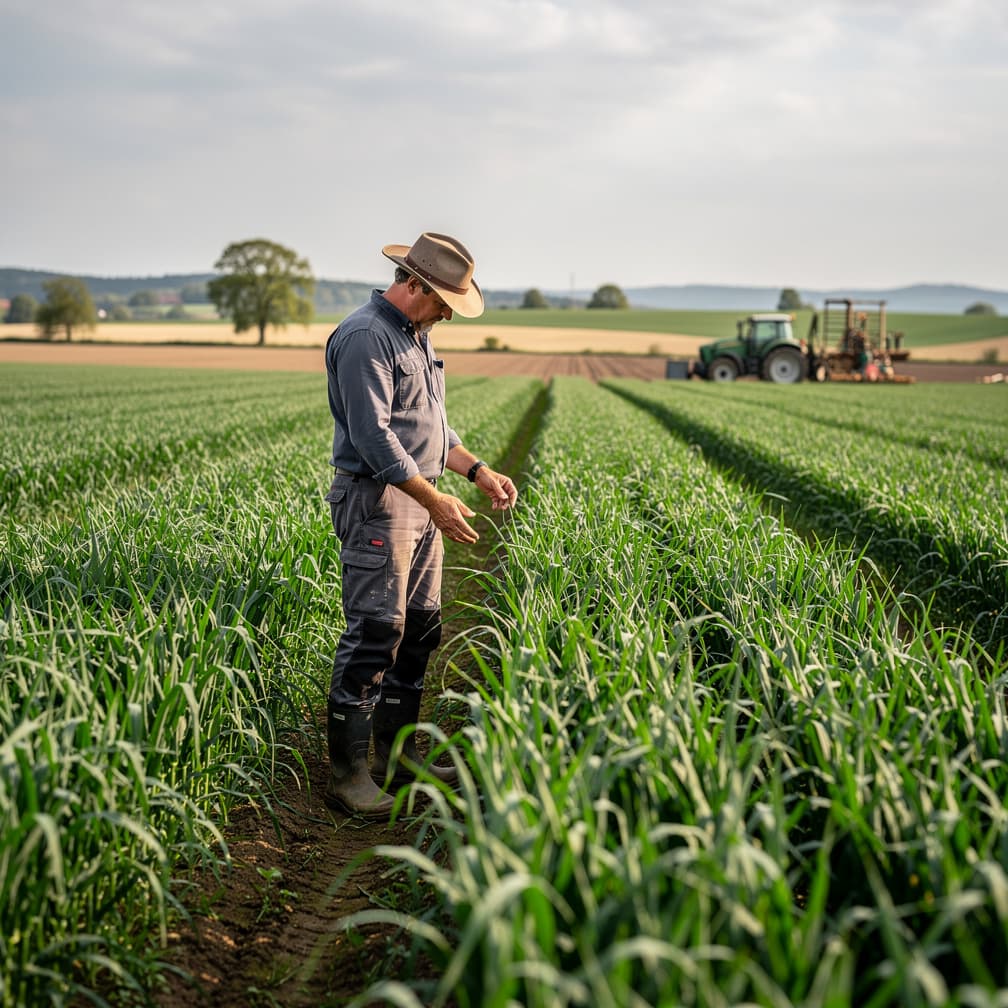
A farm operation in Washington has to plan for more than acreage and harvest timing. Rural properties around Olympia and across the state can face earthquake, wildfire, flooding, and weather-related disruption, while barns, outbuildings, tractors, trailers, and mobile tools all need different treatment in a policy. A farm insurance quote in Washington should be built around how your operation actually works: crop farms, livestock operations, mixed farming, or equipment-heavy work that moves between fields, storage sites, and leased locations. The right review starts with liability exposure, farm property, equipment in transit, and any vehicles used for business travel. Washington also has clear buying-process considerations, including workers' compensation rules for businesses with employees, commercial auto minimums, and proof of liability coverage for many leases. That means a tailored quote is less about a generic package and more about matching the coverage to the risks your operation faces in local conditions.
Climate Risk Profile
Natural Disaster Risk in Washington
Understanding climate-related risks helps determine appropriate insurance coverage levels.
Earthquake
Very High
Wildfire
High
Volcanic Activity
High
Flooding
Moderate
Expected Annual Loss from Natural Hazards
$1.8B
estimated economic loss per year across Washington
Source: FEMA National Risk Index
Risk Factors for Farm Businesses in Washington
- Washington earthquake risk can disrupt farm property, equipment, and business interruption planning for rural operations.
- Washington wildfire conditions can drive property damage, smoke-related disruption, and losses involving equipment stored on-site.
- Washington flooding can affect farm buildings, mobile property, and equipment in transit across rural routes.
- Washington weather-related damage can lead to third-party claims tied to slip and fall exposures around barns, yards, and customer-access areas.
- Washington equipment accidents and farm machinery injuries can increase the need for liability-focused protection and careful coverage review.
How Much Does Farm Insurance Cost in Washington?
Average Cost in Washington
$120 – $599 per month
Average monthly cost for small businesses
* Estimates based on industry averages. Actual premiums depend on your specific business details, claims history, and coverage selections. Rates shown are for informational purposes only and do not constitute a quote.
What Washington Requires for Farm Insurance
Non-compliance can result in fines, loss of contracts, and personal liability:
- Washington workers' compensation is required for businesses with 1+ employees, with exemptions for sole proprietors and partners.
- Washington commercial auto minimum liability limits are $25,000/$50,000/$10,000 for vehicles used in the business.
- Washington requires businesses to maintain proof of general liability coverage for most commercial leases, which can affect farm property locations and rented facilities.
- Coverage placement should be reviewed with the Washington Office of the Insurance Commissioner rules and any carrier underwriting requirements that apply to agricultural operations.
- If a farm uses vehicles, trailers, or equipment off-site, policy details should be checked for hired auto and non-owned auto treatment before binding.
Get Your Farm Insurance Quote in Washington
Compare rates from multiple carriers. Free quotes, no obligation.
Common Claims for Farm Businesses in Washington
A wind or flood event damages a barn, stored tools, and equipment, leading to a property damage claim and temporary interruption of farm operations.
A visitor slips near a muddy loading area or barn entrance, creating a customer injury claim and possible legal defense costs.
A tractor or trailer is damaged while moving between rural properties, and the farm needs help with equipment in transit or mobile property losses.
Preparing for Your Farm Insurance Quote in Washington
A list of buildings, barns, sheds, and other farm property you want included in the quote.
Information on tractors, trailers, tools, and other farm equipment, including what moves between locations.
Details about crops, livestock, customer access, and any leased or shared spaces that may affect liability exposure.
Payroll, vehicle use, and employee count details so workers' compensation and commercial auto requirements can be reviewed correctly.
Coverage Considerations in Washington
- Farm property insurance for barns, sheds, tools, and other on-site structures exposed to Washington weather and wildfire conditions.
- Farm liability coverage for third-party claims involving customer injury, slip and fall, or property damage tied to farm operations.
- Farm equipment coverage for tractors, implements, and mobile property used across fields, storage areas, and rural roads.
- Business interruption protection to help with lost income after a covered event disrupts normal farm operations.
What Happens Without Proper Coverage?
Farming depends on assets that are expensive to replace and hard to pause. A broken tractor, damaged outbuilding, injured animal, or interrupted harvest can affect more than one part of the operation at once. That is why a farm insurance quote matters: it helps you see how your coverage can be arranged around the real risks tied to your land, equipment, livestock, and income.
Farm insurance coverage is often used to address property damage, theft, storm damage, vandalism, building damage, equipment breakdown, and business interruption. Liability protection can also be important when visitors, vendors, or contractors are on the property, especially if there is a slip and fall, customer injury, or other third-party claim. If your operation uses vehicles for farm work, commercial auto and related options may be part of the discussion as well.
For many owners, the biggest challenge is not deciding whether insurance matters, but figuring out what needs to be included. A crop farm may focus on crop insurance coverage and farm property insurance. A livestock operation may need livestock insurance coverage and liability protection. An equipment-heavy farm may prioritize farm equipment coverage, tools, mobile property, and equipment in transit. Mixed farming operations may need a broader combination that changes from one season to the next.
Farm insurance requirements can also vary by lender or contract, which makes it useful to review your documents before you request a quote. Having your acreage, building list, equipment values, vehicle information, payroll, and livestock counts ready can help you move faster and compare options more clearly. That is especially helpful if you are trying to understand farm insurance cost without guessing at what is included.
A tailored agricultural insurance quote gives you a practical way to match coverage to the size and structure of your operation. Instead of relying on general assumptions, you can focus on the limits, deductibles, and policy types that fit your farm. For family farm insurance, agribusiness insurance, and rural properties alike, the goal is to protect the business that supports the season ahead.
Recommended Coverage for Farm Businesses
Based on the risks and requirements above, farm businesses need these coverage types in Washington:

General Liability Insurance
Essential coverage for every business — protect against third-party bodily injury, property damage, and advertising claims.

Commercial Property Insurance
Safeguard your business property, equipment, and inventory against damage and loss.

Commercial Auto Insurance
Protect your business vehicles and drivers with comprehensive commercial auto coverage.

Workers Compensation Insurance
Cover your employees' medical expenses and lost wages for work-related injuries and illnesses.

Inland Marine Insurance
Protect tools, equipment, and goods in transit or stored at locations away from your primary premises.
Farm Insurance by City in Washington
Insurance needs and pricing for farm businesses can vary across Washington. Find coverage information for your city:
Insurance Tips for Farm Owners
List every building, shed, barn, and storage area on the property so your farm property insurance reflects the full operation.
Include tractors, implements, trailers, and other high-value items when reviewing farm equipment coverage.
Ask how inland marine protection can address tools, mobile property, and equipment in transit between fields or sites.
Review livestock counts and animal types carefully so livestock insurance coverage matches the animals you actually keep.
Check whether your operation needs commercial auto, hired auto, or non-owned auto options for farm-related driving.
Gather acreage, payroll, vehicle use, and equipment values before requesting your farm insurance quote so the quote request is more complete.
FAQ
Frequently Asked Questions About Farm Insurance in Washington
A Washington farm insurance quote is usually built around farm property, liability, equipment, and any vehicles used in the business. Depending on your operation, it may also consider business interruption, equipment in transit, and exposures tied to crops or livestock.
Farm insurance cost in Washington varies based on property values, equipment, payroll, vehicle use, and the type of farming operation. Weather exposure, rural location, and the amount of liability risk can also affect pricing.
Coverage needs vary by operation, but many Washington farms review crop insurance coverage, livestock insurance coverage, and farm equipment coverage together so the policy matches how the business actually runs.
Requirements can include workers' compensation if you have 1 or more employees, commercial auto minimum liability if the business uses vehicles, and proof of general liability coverage for many commercial leases. Carriers may also ask for property, payroll, and equipment details.
Yes. Farm insurance coverage in Washington can be tailored for family farms, livestock operations, crop farms, and equipment-heavy farms by adjusting property, liability, equipment, and vehicle protection to fit the operation.
It can include a mix of liability, property, auto, workers compensation, and inland marine coverage depending on how your farm operates. The exact structure varies by your buildings, equipment, livestock, vehicles, and work activities.
Farm insurance cost varies based on location, payroll, equipment values, buildings, livestock, limits, and deductibles. A family farm insurance quote is usually more accurate when those details are included.
Farm insurance requirements vary by lender, lease, contract, and operation type. You may be asked for acreage, property details, equipment values, livestock counts, payroll, and vehicle use.
Yes. Many owners request farm property insurance and farm liability coverage together so buildings, equipment, and third-party claims can be reviewed in one quote.
Compare what each option includes, what is excluded, the limits, deductibles, and whether it fits your crops, livestock, equipment, and vehicles. A tailored agricultural insurance quote can make those differences easier to see.
Have your acreage, building list, equipment inventory, livestock counts, vehicle information, payroll, and any contract or lender requirements ready before you request a quote.
Yes. Farm insurance can be tailored for family farms, crop farms, livestock operations, mixed farming operations, and equipment-heavy farms based on the exposures you want to address.
Updated March 31, 2026
CPK Insurance Editorial Team
Reviewed by Licensed Insurance Agents