


































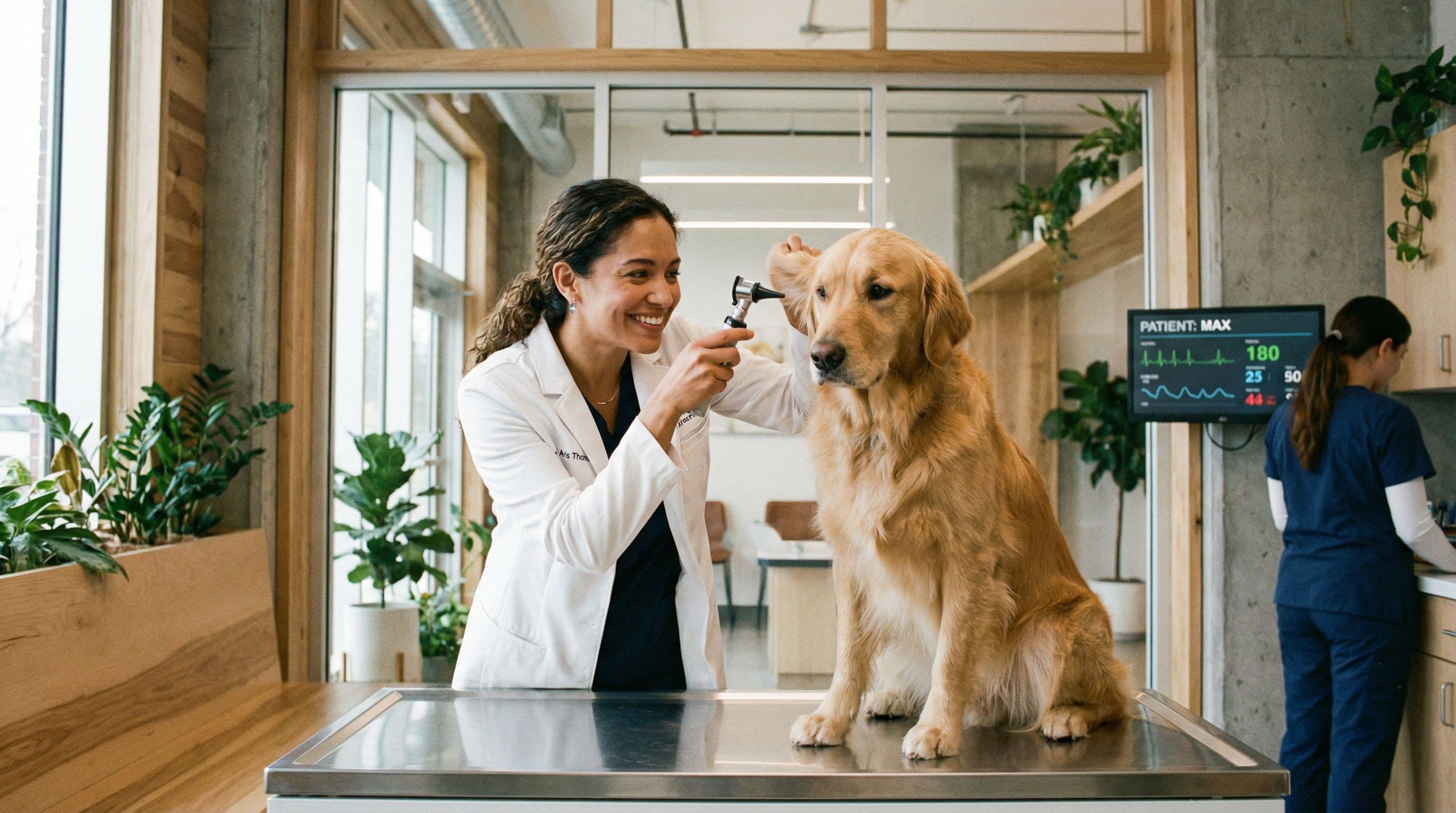
Recommended Coverage for Veterinary Services in Seattle, WA
Veterinary Services businesses face unique risks that require specific coverage types. Here are the policies most veterinary services operations need:

Professional Liability Insurance
Protect your business from claims of negligence, errors, and omissions in your professional services.

General Liability Insurance
Essential coverage for every business — protect against third-party bodily injury, property damage, and advertising claims.

Commercial Property Insurance
Safeguard your business property, equipment, and inventory against damage and loss.

Workers Compensation Insurance
Cover your employees' medical expenses and lost wages for work-related injuries and illnesses.

Business Owners Policy Insurance
Bundle property and liability coverage into one convenient, cost-effective policy for small businesses.
Veterinary Services Insurance Overview in Seattle, WA
Seattle veterinary teams work in a market shaped by a 2024 cost of living index of 109, a median household income of $93,035, and a business landscape that includes 18,425 establishments across healthcare, retail, manufacturing, and professional services. That mix means a clinic on Capitol Hill, an animal hospital near South Lake Union, or a mobile provider traveling through Queen Anne, Ballard, or West Seattle can face very different exposures day to day. Veterinary Services insurance in Seattle, WA helps practices prepare for treatment-related claims, client slip-and-fall incidents in busy lobbies, equipment damage during transport, and property losses tied to fire, theft, storm damage, or vandalism.
Seattle’s risk profile adds another layer. Even with low natural disaster frequency, the city still faces earthquake damage, liquefaction risk, landslide exposure, and infrastructure failure. Add a crime index of 123 and flood-zone exposure in parts of the city, and it becomes clear why coverage needs to match the location, building type, and service model. Whether you operate a downtown clinic, a suburban practice, or a mobile route across multiple neighborhoods, a tailored insurance review can help you request a quote with the right mix of liability coverage, property coverage, and bundled coverage options.
Why Veterinary Services Businesses Need Insurance in Seattle, WA
Seattle veterinary businesses serve a dense, diverse client base, and that can increase the chance of client claims tied to treatment decisions, handling incidents, or service interruptions. A practice in Belltown may have different foot traffic and lobby exposure than one in Magnolia, while a mobile provider moving between neighborhoods may need stronger protection for equipment, inventory, and transit-related property coverage. Veterinary malpractice insurance in Seattle is especially relevant for professional errors, negligence, omissions, and legal defense costs that can arise from complex care decisions.
The city’s operating environment also matters. With a crime index of 123, some locations may want to think carefully about theft, vandalism, and secure storage for pharmaceuticals and equipment. Seattle’s top risks include earthquake damage, liquefaction risk, landslide, and infrastructure failure, so commercial property insurance and business interruption planning can be important for clinics in older buildings, mixed-use corridors, or areas with limited access routes. For teams in neighborhoods like Fremont, Capitol Hill, and the University District, veterinary liability coverage and veterinary general liability insurance can help address slip and fall, third-party claims, and bodily injury exposures tied to everyday client visits. In a city with a strong healthcare and social assistance presence, practices that are quote-ready with clear risk details usually have an easier time comparing options for animal hospital insurance coverage and veterinary business insurance requirements.
Washington employs 10,288 veterinary services workers at an average wage of $50,900/year, with employment growing at 2.9% annually. Payroll-based coverages like workers' comp are directly tied to wage levels — higher payroll means higher premiums.
Washington requires workers' comp for businesses with employees (exemptions may apply: Sole proprietors; Partners). Non-compliance can result in fines and personal liability for owners. Commercial auto minimums are $25,000/$50,000/$10,000.
Key Risks for Veterinary Services Businesses
Each of these risks can lead to claims that cost thousands — or more. Make sure your policy addresses every one:
- Veterinary malpractice claims
- Animal bite injuries to staff
- Client slip-and-fall accidents
- Expensive equipment damage
- Pharmaceutical liability
What Drives Veterinary Services Insurance Costs in Seattle, WA
Veterinary practice insurance cost in Seattle varies based on building size, neighborhood, services offered, claims history, staff count, and whether you operate a fixed site or a mobile route. A clinic in a higher-value area near downtown or a practice with specialized equipment may see different pricing considerations than a smaller office in a suburban part of the city. Seattle’s median home value of $326,000 and cost of living index of 109 can also influence repair, replacement, and service costs that feed into property coverage and business interruption planning.
Local risk factors matter too. Earthquake damage, liquefaction risk, landslide exposure, and infrastructure failure can affect how much commercial property insurance a veterinary office may want to carry, while the city’s crime index of 123 can make theft and vandalism more relevant for equipment and inventory. For mobile veterinary practice insurance in Seattle, transit exposure and off-site equipment protection can also affect pricing. The most useful quote usually comes from details about square footage, services, equipment value, and whether you need a bundled policy or separate liability coverage.
Insurance Regulations in Washington
Key regulatory requirements for businesses operating in WA.
Regulatory Authority
Washington Office of the Insurance CommissionerWorkers' Compensation Insurance
Required for employers with 1+ employee.
Exempt categories:
- Sole proprietors
- Partners
Commercial Auto Minimum Liability
$25,000/$50,000/$10,000 (bodily injury per person / per accident / property damage)
Source: Washington Department of Insurance, U.S. Department of Labor
What Drives Veterinary Services Insurance Costs in Washington
Washington premiums are 12% above the national average. Comparing multiple carriers is critical for veterinary services businesses to avoid overpaying.
Washington's top natural hazards — earthquake, wildfire, volcanic activity — directly affect property and liability premiums for veterinary services businesses. Check your policy exclusions and ask about endorsements for these perils.
CPK Insurance compares veterinary services quotes from top-rated carriers in Washington. Enter your ZIP code to see rates in minutes.
Where Veterinary Services Insurance Demand Is Highest in Washington
10,288 veterinary services workers in Washington means significant insurance demand — and it's growing at 2.9% annually. These cities have the highest concentration of veterinary services businesses:
Climate Risk Profile
Natural Disaster Risk in Washington
Understanding climate-related risks helps determine appropriate insurance coverage levels.
Earthquake
Very High
Wildfire
High
Volcanic Activity
High
Flooding
Moderate
Expected Annual Loss from Natural Hazards
$1.8B
estimated economic loss per year across Washington
Source: FEMA National Risk Index
Insurance Tips for Veterinary Services Business Owners in Seattle, WA
Ask for veterinary clinic insurance quote details that separate professional liability from veterinary general liability insurance, so treatment-related claims and client accidents are addressed clearly.
If you operate near downtown Seattle, Capitol Hill, or other high-foot-traffic areas, review slip and fall protection for waiting rooms, entryways, and parking-area walk paths.
For animal hospital insurance coverage, list high-value diagnostic tools, refrigeration units, and treatment equipment so commercial property insurance reflects what you actually use.
Mobile veterinary practice insurance in Seattle should account for equipment in transit, off-site storage, and service stops across multiple neighborhoods.
If your team handles pharmaceuticals, ask how the policy responds to theft, inventory loss, and property damage tied to storage or transport.
Seattle practices in older buildings or mixed-use spaces should confirm whether business interruption and building damage coverage fit earthquake, landslide, or infrastructure-related shutdowns.
Get Veterinary Services Insurance in Seattle, WA
Enter your ZIP code to compare veterinary services insurance rates from top carriers.
Business insurance starting at $25/mo
Veterinary Services Business Types in Seattle, WA
Find insurance tailored to your specific veterinary services business. Select your business type for coverage recommendations, pricing, and quotes:

Pet Grooming Insurance
Get a pet grooming insurance quote built for salons and mobile groomers. It can help address animal injury liability, bite incidents, and other grooming-related claims.

Veterinary Clinic Insurance
Get a veterinary clinic insurance quote built around the risks your practice faces, from professional liability to commercial property and animal bailee coverage. Options can be tailored for small clinics and larger animal hospitals.

Dog Boarding Insurance
Get dog boarding insurance coverage built for kennels, day care add-ons, and overnight care. Protect your facility from liability claims, property damage, and business interruptions that can happen during daily operations.

Dog Walker Insurance
Get dog walker insurance coverage built for walks, visits, and pet care appointments. Request a quote to review options for animal incidents, client property damage, and professional liability.

Dog Trainer Insurance
Get dog trainer insurance built for bite incidents, property damage claims, and professional liability. It can fit private lessons, group obedience classes, and trainer coverage without a facility.

Doggy Daycare Insurance
Get a doggy daycare insurance quote built for the day-to-day risks of a busy pet play facility. Compare options for liability, property, and employee-related coverage.
FAQ
Veterinary Services Insurance FAQ in Seattle, WA
Most clinics start with professional liability, veterinary general liability insurance, commercial property insurance, and workers compensation insurance. A business-owners policy may also be a fit if you want bundled coverage for a clinic or animal hospital.
Veterinary malpractice insurance focuses on professional errors, negligence, omissions, and legal defense tied to treatment decisions. General liability is broader for third-party claims like bodily injury or property damage that happen on the premises.
Mobile practices should look closely at equipment, inventory, transit exposure, off-site service locations, and any storage used between appointments. Coverage needs can vary based on the route, vehicle setup, and the value of tools carried each day.
Sometimes. A bundled coverage option such as a business-owners policy may combine certain protections, but workers compensation is often handled separately. The best structure varies by practice size, staffing, and location.
Seattle practices often review earthquake damage, liquefaction risk, landslide exposure, infrastructure failure, theft, vandalism, and slip and fall risks. Building type, neighborhood, and whether the practice is mobile can all affect the policy mix.
Have your business address, services offered, number of employees, equipment values, and any prior claims ready. That helps an insurer compare options for veterinary liability coverage, commercial property insurance, and other needed protections.
Yes. General Liability Insurance typically addresses third-party bodily injury and property damage, while Professional Liability Insurance is designed for claims tied to veterinary care, such as misdiagnosis, treatment errors, or surgical complications. Many practices need both because Veterinary malpractice claims are not usually covered by General Liability Insurance.
Workers Compensation Insurance is usually the key coverage for employee injuries, including bites, scratches, and related medical treatment. If a client or visitor is injured by an animal on your premises, General Liability Insurance may help with that claim instead. Your policy structure should reflect how often your team restrains or treats anxious animals.
Commercial Property Insurance can help protect expensive equipment like X-ray systems, ultrasound units, and lab devices from covered causes of loss such as fire, theft, or certain weather events. It is important to confirm replacement cost values and any equipment-specific limits or deductibles. Mobile practices should also ask about coverage for tools and equipment used off-site.
It can, especially for smaller clinics that want to bundle General Liability Insurance and Commercial Property Insurance in one policy. Many owners still add Professional Liability Insurance and Workers Compensation Insurance separately because those exposures are central to veterinary medicine. The right structure depends on your services, payroll, and equipment values.
Pharmaceutical liability can involve medication storage, labeling, dispensing, or documentation errors, and it may require a combination of Professional Liability Insurance and careful policy review. Some claims may also connect to Commercial Property Insurance if drugs are damaged by a refrigeration failure or power outage. Ask whether your policy addresses compounding, controlled substances, and inventory handling.
Yes, mobile practices often need added attention for equipment, medications, and records in transit, plus liability for services performed in client homes or other off-site locations. Professional Liability Insurance and General Liability Insurance still matter, but the property and auto-related exposures can be different. Make sure the policy matches how and where you deliver care.
Premiums may be higher if your practice performs surgery, anesthesia, emergency care, or other higher-risk services, or if you have expensive equipment and a large staff. Prior claims, multiple locations, and a history of workplace injuries can also affect pricing. Strong safety procedures and accurate records may help support more favorable underwriting.
The right limit depends on your patient volume, procedures, staff size, and the value of claims you could face from Veterinary malpractice or third-party injuries. Larger hospitals and specialty practices often need higher limits than solo or low-volume clinics. An insurance professional can help evaluate whether your Professional Liability Insurance and General Liability Insurance limits fit your risk profile.