






































Updated March 31, 2026

CPK Insurance Editorial Team
Reviewed by Licensed Insurance Agents
Commercial Property Insurance in Wisconsin
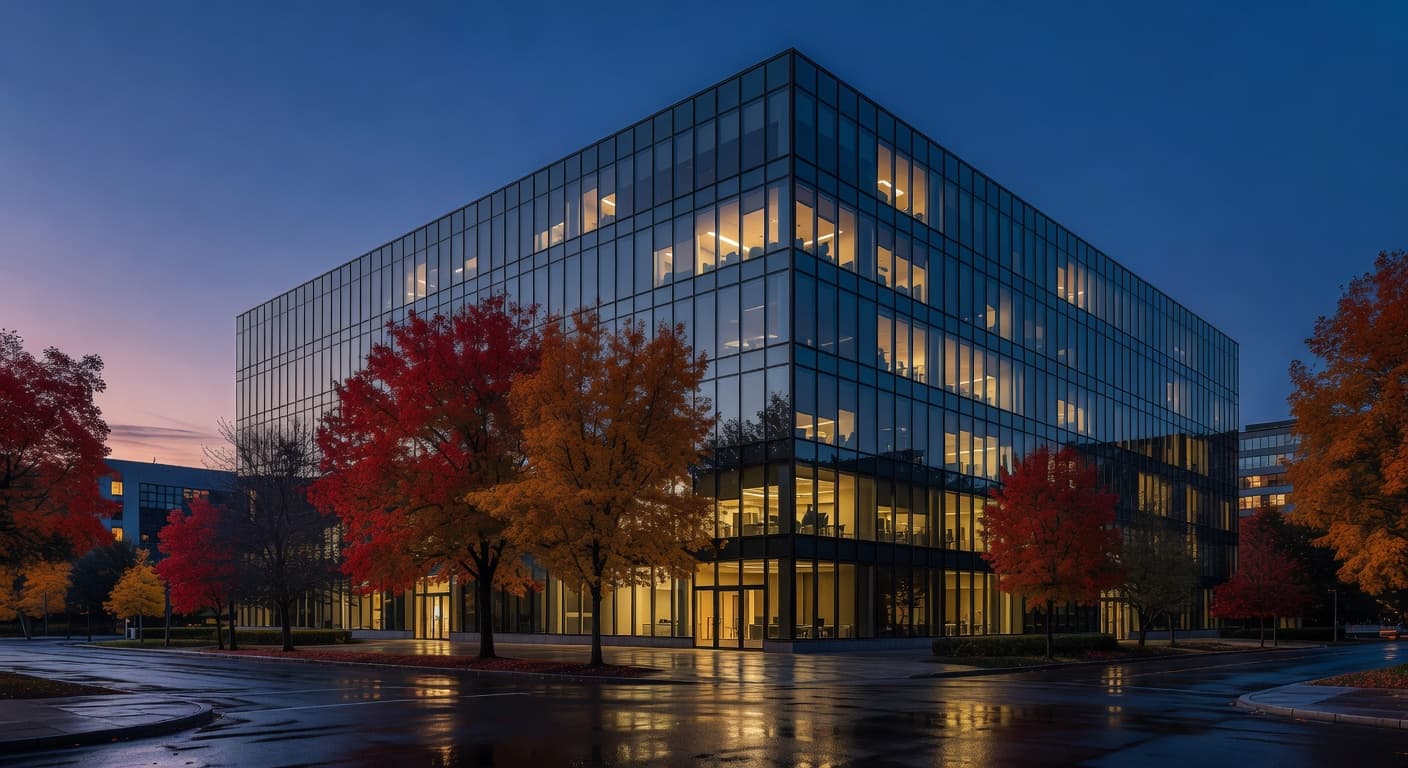
Commercial property insurance in Wisconsin matters because the state combines a below-average premium index with real property-loss pressure from severe storm, winter storm, tornado, vandalism, theft, and building damage exposure. With 420 active insurers competing for business and 156,800 businesses operating here, owners in Madison, Milwaukee, Green Bay, Eau Claire, and Kenosha can compare options, but the right policy still depends on building type, roof age, occupancy, and how much equipment or inventory sits on site. Wisconsin’s risk picture is not abstract: the state recorded 129 disaster declarations, including a 2024 tornado outbreak across 14 counties and 2023 severe storms that caused $3.2 billion in estimated damage. That means commercial property insurance in Wisconsin is often about protecting a storefront on State Street, a warehouse near the Fox River, a manufacturer in the Fox Valley, or a restaurant in a winter-storm corridor from covered physical loss and business interruption. The best starting point is to match building coverage, business personal property coverage, and endorsements to the actual property you use every day.
What Commercial Property Insurance Covers
Commercial property insurance coverage in Wisconsin typically protects owned buildings, tenant improvements when endorsed, equipment, furniture, inventory, fixtures, computers, and signage from covered building damage, fire risk, theft, vandalism, and storm damage. The policy can also include business income coverage for lost revenue and continuing expenses after a covered closure, which matters in Wisconsin where severe storm, winter storm, and tornado losses can interrupt operations for days or weeks. Wisconsin does not set a special statewide minimum for this policy the way it does for some other lines, but commercial property insurance requirements in Wisconsin can vary by lender, lease, industry, and business size, and the Wisconsin Office of the Commissioner of Insurance oversees the market. Standard policies do not automatically include every loss type, so ordinance or law coverage in Wisconsin may be important if local code upgrades are triggered after a repair. Equipment breakdown coverage in Wisconsin is also worth reviewing for businesses that rely on mechanical or electrical systems. Flood is excluded under standard terms, so properties near rivers, low-lying areas, or stormwater-prone zones usually need separate flood protection. For many owners, the key question is not whether they need business property insurance in Wisconsin, but whether their limits and endorsements match the real rebuilding and replacement cost of the location.

Building Coverage
Protection for building coverage-related losses and claims

Business Personal Property
Protection for business personal property-related losses and claims
Business Income
Protection for business income-related losses and claims

Equipment Breakdown
Protection for equipment breakdown-related losses and claims
Ordinance or Law
Protection for ordinance or law-related losses and claims
Commercial Property Insurance Requirements in Wisconsin
- The Wisconsin Office of the Commissioner of Insurance regulates the market, but commercial property insurance requirements in Wisconsin can still vary by lender, landlord, and industry.
- Standard policies exclude flood damage, so Wisconsin properties near rivers or low-lying areas may need separate flood coverage even if they are outside a mapped flood zone.
- Ordinance or law coverage in Wisconsin can matter after a covered loss if rebuilding must meet updated building code requirements.
- Equipment breakdown coverage in Wisconsin is often an endorsement rather than a standalone default, so it should be requested explicitly if machinery or electrical systems are critical.
How Much Does Commercial Property Insurance Cost in Wisconsin?
Average Cost in Wisconsin
$58 – $230 per month
per month
- Coverage limits and deductibles
- Claims history
- Location
- Industry or risk profile
- Policy endorsements
Contact CPK Insurance for a personalized quote.
National average: $83 – $250 per month
* Estimates based on industry averages. Actual premiums depend on your specific business details, claims history, and coverage selections. Rates shown are for informational purposes only and do not constitute a quote.
Commercial property insurance cost in Wisconsin is shaped by the state’s moderate overall risk profile, but premium pressure can rise quickly in places with severe storm, winter storm, tornado, or theft exposure. The average premium range in Wisconsin is $58 to $230 per month, while the product-level range provided for this coverage is $83 to $250 per month, so actual quotes vary by building value, deductible, endorsements, claims history, and location. Wisconsin’s premium index of 92 suggests pricing is below the national average, and that fits the state’s competitive market with 420 active insurance companies. Still, commercial property insurance cost in Wisconsin can move up for older roofs, higher replacement values, specialized manufacturing equipment, higher inventory concentrations, or buildings with limited fire protection. The state’s 2024 disaster history also matters: a tornado outbreak hit 14 counties, severe storms affected 18 counties in 2023, and winter storms have produced large loss totals, so insurers often price storm damage and business interruption risk carefully. In practical terms, a small retail space in Madison, a warehouse in Appleton, or a food-service location in Milwaukee may all see different commercial property insurance quote in Wisconsin results even with similar square footage. Comparing multiple carriers is important because commercial property insurance coverage in Wisconsin is influenced by occupancy type, construction, and policy endorsements as much as by the state average.
| Property Type | What's Covered | Common Exclusions |
|---|---|---|
| Building | Structure, roof, systems, permanent fixtures | Flood, earthquake, normal wear |
| Business Personal Property | Equipment, inventory, furniture, computers | Employee personal property, vehicles |
| Tenant Improvements | Build-outs, custom installations, modifications | Structural changes without landlord approval |
| Business Income | Lost revenue during covered shutdown | Losses from non-covered perils |
| Extra Expense | Additional costs to minimize shutdown | Costs not related to covered loss |
Building
- What's Covered
- Structure, roof, systems, permanent fixtures
- Common Exclusions
- Flood, earthquake, normal wear
Business Personal Property
- What's Covered
- Equipment, inventory, furniture, computers
- Common Exclusions
- Employee personal property, vehicles
Tenant Improvements
- What's Covered
- Build-outs, custom installations, modifications
- Common Exclusions
- Structural changes without landlord approval
Business Income
- What's Covered
- Lost revenue during covered shutdown
- Common Exclusions
- Losses from non-covered perils
Extra Expense
- What's Covered
- Additional costs to minimize shutdown
- Common Exclusions
- Costs not related to covered loss
Get Your Personalized Quote
Enter your ZIP code to compare commercial property insurance rates from top carriers.
Business insurance starting at $25/mo
Who Needs Commercial Property Insurance?
Commercial property insurance in Wisconsin is relevant for businesses that own buildings, lease space with tenant improvements, or keep valuable equipment and inventory on site. Manufacturing firms are especially important here because manufacturing is the state’s largest employment sector at 16.2% of jobs, and those operations often depend on machinery, raw materials, and production space that can be affected by building damage, equipment breakdown, or storm damage. Retailers, restaurants, and accommodation and food service businesses also face exposure because Wisconsin has 156,800 business establishments and 99.4% are small businesses, which often means a single location carries most of the company’s physical assets. Healthcare and social assistance sites may need stronger building coverage for business in Wisconsin if they rely on specialized furnishings, refrigeration, or clinical equipment. Finance and insurance offices may have less inventory but still need business personal property coverage in Wisconsin for computers, furniture, and records-related equipment. Owners in Madison, Green Bay, Wausau, and the Fox Valley should also think about theft and vandalism because the state’s property crime rate is 1,720, and larceny-theft remains a major loss driver. Tenants are not off the hook just because they lease; leasehold improvements, signage, and contents can still create a meaningful commercial building insurance in Wisconsin decision. For many firms, the right question is whether the policy protects enough of the physical operation to reopen after a covered loss without a major cash drain.
Commercial Property Insurance by City in Wisconsin
Commercial Property Insurance rates and coverage options can vary across Wisconsin. Select your city below for localized information:
How to Buy Commercial Property Insurance
Start by collecting building details, recent photos, square footage, construction type, roof age, security features, and an inventory of business personal property before requesting a commercial property insurance quote in Wisconsin. Wisconsin businesses should compare quotes from multiple carriers because the market is competitive, with State Farm, American Family, Erie Insurance, GEICO, and Progressive among the top carriers in the state, and pricing can differ by underwriting approach. The Wisconsin Office of the Commissioner of Insurance regulates the market, so buying through a licensed agent or broker who understands Wisconsin commercial property insurance requirements is a practical first step. If you own the building, ask for building coverage for business in Wisconsin that reflects current replacement cost, not just loan balance. If you lease, confirm whether your lease requires you to insure tenant improvements or contents separately. Ask about business income coverage in Wisconsin, equipment breakdown coverage in Wisconsin, and ordinance or law coverage in Wisconsin before binding, because those endorsements can change how a claim is paid after severe storm, fire, or other covered damage. Also check whether your lender or landlord requires specific limits or proof of coverage. Because coverage requirements may vary by industry and business size, a manufacturer in Milwaukee, a restaurant in Madison, and a retailer in Green Bay may need different forms, limits, and deductibles even if they are all shopping for business property insurance in Wisconsin.
How to Save on Commercial Property Insurance
The most reliable way to lower commercial property insurance cost in Wisconsin is to align your limits and deductible with the actual risk of the building instead of guessing at a number. Insurers in Wisconsin pay close attention to coverage limits and deductibles, claims history, location, industry or risk profile, and endorsements, so improving the property profile can matter as much as shopping price. Owners can often reduce cost by upgrading roofs, maintaining heating and sprinkler systems, documenting fire protection, and keeping inventory records current, especially in areas with severe storm and winter storm exposure. If your property is near Madison, Milwaukee, the Fox Cities, or other higher-activity corridors, ask whether added security or monitored alarms can improve pricing for theft and vandalism. Bundling can also help: for many small businesses, a policy package that includes property and business income coverage may be more efficient than buying pieces separately, though the exact savings vary by carrier. Review whether you truly need every endorsement on every location, but do not drop equipment breakdown coverage in Wisconsin if your operation depends on mechanical or electrical systems. Replacement cost coverage usually costs more than actual cash value, yet it can materially improve claim recovery, so compare both carefully rather than choosing only on price. Finally, request multiple quotes from Wisconsin carriers and ask each one to explain how storm damage, business interruption, and ordinance or law coverage are priced, since those items often drive the gap between a basic quote and a more complete one.
Our Recommendation for Wisconsin
For Wisconsin buyers, the smartest approach is to treat commercial property insurance as a rebuilding strategy, not just a compliance item. A policy that is too lean can leave a manufacturer, restaurant, or retail store exposed after severe storm, winter storm, or tornado damage. Focus first on replacement-cost limits, then add business income coverage, equipment breakdown coverage, and ordinance or law coverage if the property and operations justify them. If you lease, confirm what the landlord insures and what you must insure yourself. If you own, make sure the building limit reflects today’s reconstruction costs in your part of Wisconsin, not an outdated purchase price. Compare at least several quotes, because the state’s competitive market can produce meaningful differences in structure and endorsements. The best quote is the one that matches your property, your lease, and your recovery timeline.
FAQ
Frequently Asked Questions
In Wisconsin, it can cover owned buildings, equipment, inventory, furniture, fixtures, computers, and signage for covered losses such as fire, windstorm, hail, theft, vandalism, and some water-related damage, with business income coverage available for certain closures.
The provided Wisconsin range is about $58 to $230 per month, while the product-level range is $83 to $250 per month, and the final price depends on building value, deductible, claims history, location, and endorsements.
Yes, many tenants still need it because leasehold improvements, business personal property, signage, and equipment may not be covered by the landlord’s policy, and lease terms often assign those responsibilities separately.
Insurers look at replacement cost, construction type, roof condition, fire protection class, claims history, location, occupancy type, and whether you add endorsements such as business income coverage or equipment breakdown coverage.
Common options include building coverage, business personal property coverage, business income coverage, equipment breakdown coverage, and ordinance or law coverage, with the exact mix varying by property and carrier.
Gather building details, photos, square footage, roof age, security features, and an inventory of contents, then compare quotes from multiple Wisconsin carriers through a licensed agent or broker.
Choose limits based on replacement cost rather than an old purchase price, and select a deductible you can actually absorb after a storm, fire, or theft loss without creating a cash-flow problem.
After a covered loss, the policy can help pay to repair or replace damaged property and may also help cover lost income during a shutdown, but the final payment depends on your limits, deductible, and whether you carried the right endorsements.
Commercial property insurance covers your building (if owned), business equipment, furniture, fixtures, inventory, computers, and signage against perils like fire, windstorm, hail, theft, vandalism, and water damage. It can also include business income coverage for revenue lost during covered closures.
Most small businesses pay $750 to $3,500 annually for commercial property insurance. Costs depend on property value, construction type, location, fire protection class, occupancy type, and deductible. Businesses in catastrophe-prone areas pay more.
No. Standard commercial property policies exclude flood damage. You need a separate commercial flood insurance policy, available through the National Flood Insurance Program (NFIP) or private flood insurers. This is true even if your property is not in a designated flood zone.
Replacement cost pays to replace damaged property with new items of similar quality. Actual cash value (ACV) pays replacement cost minus depreciation. Replacement cost policies cost 10-15% more but pay significantly more at claim time. Always choose replacement cost when possible.
Yes. Business personal property coverage within your commercial property policy covers equipment, computers, furniture, fixtures, and inventory. For expensive or specialized equipment, you may need equipment breakdown coverage as an endorsement for mechanical and electrical failures.
Coinsurance requires you to insure your property to a minimum percentage (usually 80%) of its replacement cost. If you're underinsured, the carrier reduces your claim payment proportionally. For example, if you insure a $1M building for only $500,000 (50%), a $100,000 claim would only pay $62,500.
Yes. A Business Owners Policy (BOP) bundles commercial property with general liability and business interruption at a 15-25% discount compared to purchasing them separately. For most small businesses, a BOP is the most cost-effective way to get commercial property coverage.
Business interruption (or business income) coverage pays for lost revenue and continuing expenses when a covered event forces your business to temporarily close. It covers rent, payroll, loan payments, taxes, and the net income you would have earned during the closure period.
Updated March 31, 2026
CPK Insurance Editorial Team
Reviewed by Licensed Insurance Agents