







































Updated March 31, 2026

CPK Insurance Editorial Team
Reviewed by Licensed Insurance Agent
General Liability Insurance in Wisconsin
If you’re comparing general liability insurance in Wisconsin, the decision usually comes down to how your business handles customers, vendors, and third-party property, not just the price tag. Wisconsin has 156,800 businesses, 99.4% of them small businesses, and that means landlords, clients, and contract partners often expect proof of coverage before work starts. The Wisconsin Office of the Commissioner of Insurance oversees compliance, but there is no state-mandated minimum for general liability in Wisconsin, so your real target is what your lease, contract, or industry relationship requires. That matters in a state where manufacturing leads employment, retail and food service see frequent customer interaction, and severe weather can create more opportunities for third-party claims tied to slip and fall, property damage, and legal defense costs. If you want general liability insurance in Wisconsin, the right policy is usually the one that matches your location, revenue, and contract terms, not a one-size-fits-all number.
What General Liability Insurance Covers
General liability insurance coverage in Wisconsin is built around third-party claims, which means it responds when someone outside your business alleges bodily injury, property damage, or personal and advertising injury. In practical terms, that can include a customer slip and fall at a storefront in Madison, a vendor alleging damage to their property during work in Milwaukee, or a complaint tied to advertising language used by a business in Green Bay. The policy can also include medical payments, which may help with smaller customer injury claims, and products and completed operations for work that is finished or goods that have already been sold.
Wisconsin does not set a state-mandated minimum for this coverage, but the Wisconsin Office of the Commissioner of Insurance is the state regulator, and many contracts still require proof of coverage before a lease, bid, or service agreement is finalized. That makes commercial general liability insurance in Wisconsin a practical compliance tool even when state law does not force a purchase. A common buying target in the state is at least $1 million per occurrence, especially when a landlord or client asks for certificate wording. Coverage is still limited by the policy terms, so exclusions, endorsements, and limits matter. If you need public liability insurance in Wisconsin for customer-facing work, the details of your operations, location, and contract language can change what is included.
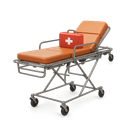
Bodily Injury Liability
Covers injuries to third parties on your premises or from your operations
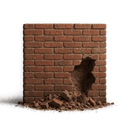
Property Damage Liability
Covers damage you cause to others' property

Personal & Advertising Injury
Covers libel, slander, and copyright claims

Products & Completed Operations
Covers claims from products sold or work completed

Medical Payments
Covers minor injuries regardless of fault
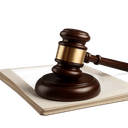
Defense Costs
Legal defense costs are covered in addition to policy limits
General Liability Insurance Requirements in Wisconsin
- The Wisconsin Office of the Commissioner of Insurance oversees insurance compliance, but it does not set a universal general liability minimum for most businesses.
- Wisconsin businesses should often plan around a $1 million per occurrence limit because that is a common contract and landlord request.
- General liability in Wisconsin is built for third-party bodily injury, property damage, personal and advertising injury, legal defense, and settlements, not employee injury.
- Severe storm and winter storm conditions can increase premises-related customer injury exposure, especially for businesses with public access.
How Much Does General Liability Insurance Cost in Wisconsin?
Average Cost in Wisconsin
$31 – $92 per month
per month
- Industry and risk classification
- Annual revenue
- Number of employees
- Claims history
- Coverage limits and deductibles
- Business location
Based on small business averages with $1M/$2M limits.
National average: $33 – $125 per month
* Estimates based on industry averages. Actual premiums depend on your specific business details, claims history, and coverage selections. Rates shown are for informational purposes only and do not constitute a quote.
General liability insurance cost in Wisconsin is shaped by the state’s below-national-average pricing environment, but the number you see still depends on your business profile. Product data shows an average premium range of $31 to $92 per month in Wisconsin, while small business averages are listed at about $33 to $125 per month and roughly $400 to $1,500 per year for many small firms. The state premium index is 92, which suggests pricing is below the national average, but that does not mean every business gets the same quote.
Several Wisconsin-specific factors can move a quote up or down. Industry risk matters because the state’s largest employment sector is manufacturing, and higher-risk operations often pay more than low-contact office businesses. Annual revenue, employee count, claims history, location, limits, and deductibles all affect pricing, and Wisconsin’s 420 active insurance companies create a competitive market with several recognizable carriers. The top carriers in state data include State Farm, American Family, Erie Insurance, and GEICO. A business in a high-contact setting, such as retail or accommodation and food service, may see different pricing than a low-risk office because customer interaction increases exposure to bodily injury coverage in Wisconsin and property damage coverage in Wisconsin. Severe storm and winter storm history can also influence how often businesses face third-party claims tied to premises conditions, even when the loss is not dramatic. For a general liability insurance quote in Wisconsin, the cleanest way to compare price is to request the same limits, deductible, and endorsement structure from each carrier.
| Coverage | What's Covered | What's NOT Covered |
|---|---|---|
| Bodily Injury | Customer/visitor injuries on premises or from operations | Employee injuries (use Workers Comp) |
| Property Damage | Damage to others' property from your work | Damage to your own property (use Commercial Property) |
| Personal Injury | Libel, slander, copyright infringement | Intentional criminal acts |
| Advertising Injury | False advertising claims, misappropriation of ideas | Knowing violations of law |
| Medical Payments | Minor injury medical bills regardless of fault | Major injury claims (handled as liability) |
| Products/Completed Ops | Claims from products sold or work completed | Product recalls (use Product Recall coverage) |
Bodily Injury
- What's Covered
- Customer/visitor injuries on premises or from operations
- What's NOT Covered
- Employee injuries (use Workers Comp)
Property Damage
- What's Covered
- Damage to others' property from your work
- What's NOT Covered
- Damage to your own property (use Commercial Property)
Personal Injury
- What's Covered
- Libel, slander, copyright infringement
- What's NOT Covered
- Intentional criminal acts
Advertising Injury
- What's Covered
- False advertising claims, misappropriation of ideas
- What's NOT Covered
- Knowing violations of law
Medical Payments
- What's Covered
- Minor injury medical bills regardless of fault
- What's NOT Covered
- Major injury claims (handled as liability)
Products/Completed Ops
- What's Covered
- Claims from products sold or work completed
- What's NOT Covered
- Product recalls (use Product Recall coverage)
Get Your Personalized Quote
Enter your ZIP code to compare general liability insurance rates from top carriers.
Business insurance starting at $25/mo
Who Needs General Liability Insurance?
General liability insurance requirements in Wisconsin are not set by a single statewide minimum for most businesses, but many businesses still need it because of contracts, leases, and customer-facing operations. Retail stores, restaurants, and accommodation and food service businesses are natural buyers because they regularly interact with the public and face slip and fall or customer injury exposure. Manufacturing firms may also need it because third-party property damage can arise when work, equipment, or finished operations affect a client’s property. Wisconsin’s economy includes 156,800 business establishments, and 99.4% are small businesses, so many owners need a policy that is simple to place but strong enough to satisfy a landlord or customer agreement.
This coverage is also common for businesses that need business liability insurance in Wisconsin to support lease approvals or vendor contracts. If you operate from leased space, a landlord may ask for proof of coverage before handing over the keys. If you sell services or products, a client may require third-party liability coverage in Wisconsin before you start work. Manufacturing businesses, healthcare-adjacent offices, retailers, and food service operators often need a policy that addresses bodily injury, property damage, and legal defense. Wisconsin’s top industries make that especially relevant: manufacturing leads employment, retail trade is large, and accommodation and food service businesses have frequent public contact. Even when a business is not legally forced to buy coverage, the practical need to show a certificate often makes commercial general liability insurance in Wisconsin part of the baseline insurance package.
General Liability Insurance by City in Wisconsin
General Liability Insurance rates and coverage options can vary across Wisconsin. Select your city below for localized information:
How to Buy General Liability Insurance
To buy general liability insurance in Wisconsin, start by matching the policy to your real operations, not just a generic application. Gather your business name, location, revenue, number of employees, claims history, and a short description of what customers see and where they enter the premises. Those details matter because Wisconsin pricing is influenced by industry, annual revenue, employee count, claims history, coverage limits, deductibles, and business location. If you are asking for a general liability insurance quote in Wisconsin, be ready to share any lease or contract language that specifies minimum limits or certificate wording.
Because the Wisconsin Office of the Commissioner of Insurance oversees compliance, your carrier or agent should be able to explain the policy form and any endorsements in plain language. A local quote request should ask whether the policy includes bodily injury coverage in Wisconsin, property damage coverage in Wisconsin, personal and advertising injury coverage in Wisconsin, medical payments, and products and completed operations. Compare at least one quote from the state’s active market, which includes carriers such as State Farm, American Family, Erie Insurance, and GEICO, while checking whether they can issue the certificate format your landlord or client wants.
If you already have other business insurance, ask whether combining coverages makes sense for your operation. Even if general liability is purchased separately, the application should still reflect your Wisconsin location, the type of customer traffic you have, and whether your business needs $1 million per occurrence to satisfy local contract requirements. A careful quote process matters more than speed when a certificate is tied to a lease or service agreement.
How to Save on General Liability Insurance
The most reliable way to lower general liability insurance cost in Wisconsin is to reduce the risk profile that carriers price against. Start by keeping your operations description accurate and narrow, because a precise class code often fits better than a broad one. If your business is low-contact, say so clearly; low-risk office businesses often pay less than contractors or manufacturers. Wisconsin’s premium index of 92 suggests the market is competitive, and 420 active insurers means you can compare multiple offers instead of accepting the first quote.
Choose limits that satisfy your lease or contract without buying more than you need. Many Wisconsin businesses target at least $1 million per occurrence because that is a common requirement, but the right aggregate limit depends on your revenue and customer exposure. Deductibles can also affect pricing, so a higher deductible may lower the premium if your cash flow can handle it. Ask whether your policy includes the coverages you actually need, such as medical payments and products and completed operations, rather than paying for a structure that does not fit your work.
You can also save by improving premises safety, especially if customers visit your location. Good lighting, clear walkways, documented cleaning procedures, and winter-weather maintenance help reduce slip and fall exposure in a state with high winter storm risk. If you already buy other business liability insurance in Wisconsin, ask whether the same carrier offers a better rate for package placement or a cleaner certificate process. Finally, compare a general liability insurance quote in Wisconsin from at least several carriers, because the state’s competitive market can produce different pricing for the same limit structure.
Our Recommendation for Wisconsin
For most Wisconsin businesses, the smartest starting point is a policy built around customer contact, contract requirements, and your physical location. If you meet the public, keep inventory, or work on client property, make sure your quote addresses third-party claims, legal defense, and settlement payments rather than only the headline premium. In Wisconsin, I would treat a $1 million per occurrence limit as a common benchmark when a landlord or client asks for proof, then adjust the aggregate limit based on how often claims could happen during the policy year. Make sure the certificate wording matches the lease or contract before you bind coverage. If you operate in manufacturing, retail, or food service, review your slip and fall, property damage, and advertising injury exposure carefully, because those are the claims that most often create avoidable surprises.
FAQ
Frequently Asked Questions
It covers third-party bodily injury, property damage, personal and advertising injury, and medical payments, so a customer slip and fall, a damaged client item, or an advertising claim can trigger the policy in Wisconsin.
Wisconsin does not set a state-mandated minimum for most businesses, but landlords, clients, and contract partners often require proof of coverage before you can lease space or start work.
Many Wisconsin businesses use at least $1 million per occurrence as a practical benchmark, and the state average premium range is about $31 to $92 per month, though pricing varies by risk and location.
Carriers usually look at your industry, annual revenue, number of employees, claims history, coverage limits, deductibles, and business location when pricing a Wisconsin quote.
Retail, restaurants, accommodation and food service, manufacturing, and other customer-facing businesses often need it because they face more third-party claims and contract requirements.
Yes. The policy can help pay legal defense costs and settlement payments for covered third-party claims up to your policy limits.
General liability insurance covers third-party bodily injury, property damage, personal and advertising injury, and medical payments. If a customer slips in your store, if your work damages a client's property, or if you're accused of libel or copyright infringement in your advertising, general liability responds.
Most small businesses pay between $400 and $1,500 per year for general liability insurance. Costs depend on your industry, revenue, number of employees, location, coverage limits, and claims history. Low-risk office businesses pay less; contractors and manufacturers pay more.
While not mandated by state law for most businesses, general liability is effectively required in practice. Commercial landlords, clients, government contracts, and professional associations typically require proof of general liability coverage before you can lease space, sign contracts, or maintain membership.
General liability covers physical incidents, someone slips at your location or your work damages property. Professional liability (errors and omissions) covers mistakes in your professional services or advice that cause a client financial harm. Most businesses that provide services need both policies.
The first number ($1 million) is your per-occurrence limit, the maximum the insurer pays for a single claim. The second number ($2 million) is your aggregate limit, the maximum total payout during the policy period, typically one year. Most small businesses carry $1M/$2M limits.
No. General liability covers injuries to third parties, customers, vendors, and the general public. Employee work-related injuries are covered by workers compensation insurance. These are separate policies that work together to protect your business.
Yes. General liability can be purchased as a standalone policy. However, if you also need commercial property insurance, a Business Owners Policy (BOP) bundles both together at a discount of 15-25% compared to buying them separately. Your agent can recommend the best approach.
Many general liability policies can be bound the same day you apply. For straightforward businesses with no unusual risks, you can often have a policy in place and certificate of insurance in hand within 24-48 hours through an independent agent like CPK Insurance.
Updated March 31, 2026
CPK Insurance Editorial Team
Reviewed by Licensed Insurance Agent