






































Updated March 31, 2026

CPK Insurance Editorial Team
Reviewed by Licensed Insurance Agents
Butcher Shop Insurance in Wyoming
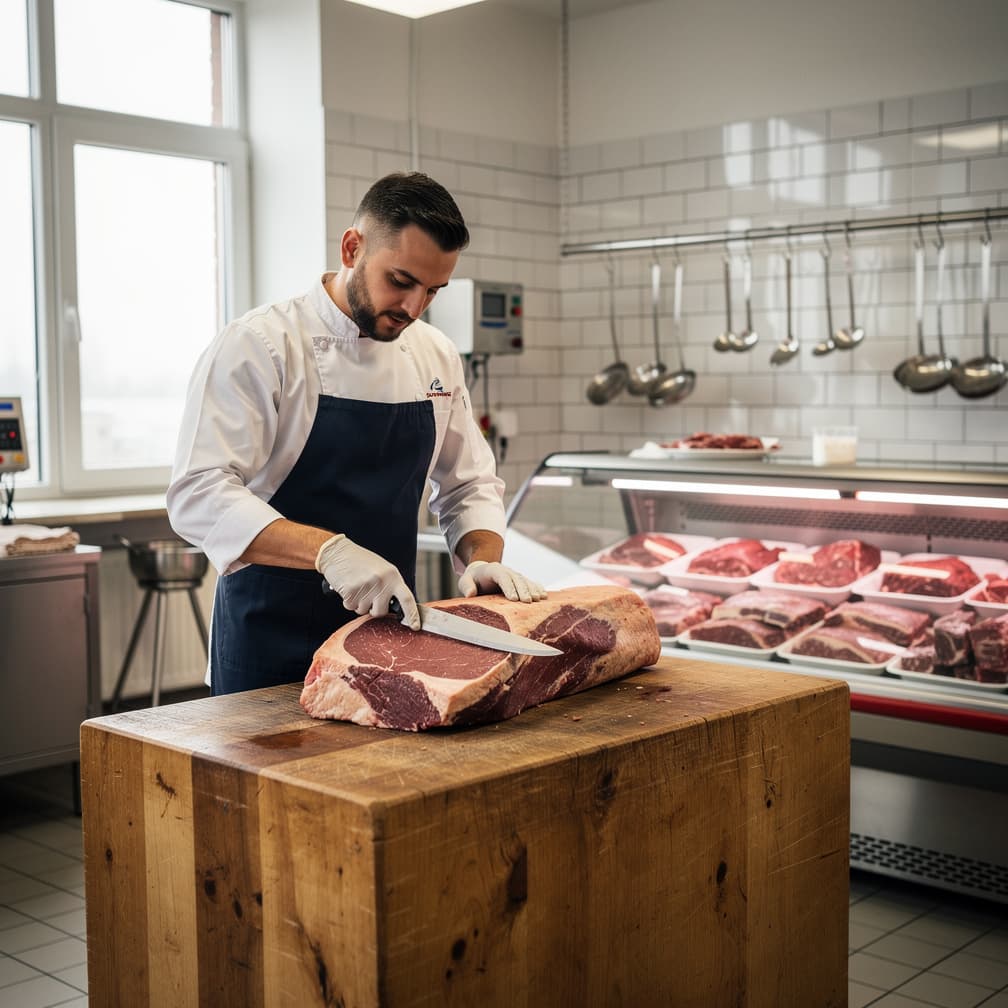
A butcher shop in Wyoming has to manage sharp tools, refrigerated inventory, customer traffic, and weather that can change fast. That makes a butcher shop insurance quote in Wyoming more than a formality: it is a way to match coverage to the way your shop actually operates, whether you run a downtown butcher shop in Cheyenne, a strip mall meat retailer, a standalone meat market, or a grocery meat counter serving steady local traffic. Wyoming’s high severe storm, wildfire, and winter storm exposure can affect storefronts, coolers, inventory, and day-to-day sales. At the same time, customer injury, slip and fall, and third-party claims can happen anywhere shoppers walk in with wet boots, icy residue, or crowded aisles. If you also use delivery vehicles, commercial auto minimums may matter. The goal is to compare butcher shop insurance coverage with your lease, vendor agreements, refrigeration setup, equipment value, and staffing so the policy fits the shop’s real risk profile in Wyoming.
Climate Risk Profile
Natural Disaster Risk in Wyoming
Understanding climate-related risks helps determine appropriate insurance coverage levels.
Severe Storm
High
Wildfire
High
Winter Storm
High
Tornado
Moderate
Expected Annual Loss from Natural Hazards
$160M
estimated economic loss per year across Wyoming
Source: FEMA National Risk Index
Risk Factors for Butcher Shop Businesses in Wyoming
- Wyoming severe storm exposure can disrupt butcher shop property, damage storefront glass, and create building damage claims tied to refrigeration equipment and inventory losses.
- Wyoming wildfire risk can threaten standalone meat markets, strip mall butcher shops, and nearby refrigeration service areas, increasing the need for property coverage and business interruption planning.
- Wyoming winter storm conditions can affect loading docks, walk-in coolers, and customer access, which may trigger business interruption concerns and storm damage claims.
- Wyoming tornado activity, while moderate, can still create sudden building damage, theft exposure during closures, and the need for legal defense after third-party claims.
- High customer traffic in Wyoming grocery meat counters and downtown butcher shops raises slip and fall, customer injury, and liability coverage concerns.
- Sharp equipment, cold storage, and perishable inventory in Wyoming butcher shops increase the importance of equipment breakdown, property coverage, and inventory protection.
How Much Does Butcher Shop Insurance Cost in Wyoming?
Average Cost in Wyoming
$66 – $246 per month
Average monthly cost for small businesses
* Estimates based on industry averages. Actual premiums depend on your specific business details, claims history, and coverage selections. Rates shown are for informational purposes only and do not constitute a quote.
What Wyoming Requires for Butcher Shop Insurance
Non-compliance can result in fines, loss of contracts, and personal liability:
- Workers' compensation insurance is required in Wyoming for businesses with 1 or more employees; sole proprietors and partners are exempt under the state rule provided.
- Many Wyoming commercial leases require proof of general liability coverage before move-in or renewal, so lease terms should be reviewed before requesting a quote.
- Commercial auto minimum liability in Wyoming is $25,000/$50,000/$20,000 if the butcher shop operates delivery or business vehicles.
- Quotes should account for the Wyoming Department of Insurance oversight and any documentation a carrier requests to verify coverage choices and business details.
- A buyer should confirm whether their lease, vendor agreement, or lender asks for specific liability coverage limits or proof of bundled coverage.
- For quote comparison, businesses should ask whether property coverage, business interruption, and equipment breakdown can be included together in a business-owners-policy-insurance structure.
Get Your Butcher Shop Insurance Quote in Wyoming
Compare rates from multiple carriers. Free quotes, no obligation.
Common Claims for Butcher Shop Businesses in Wyoming
A winter storm in Wyoming knocks out power long enough to spoil refrigerated inventory, leading the shop to review business interruption and refrigeration breakdown coverage.
A customer slips near the front counter of a Cheyenne butcher shop after tracked-in snow creates a wet floor, triggering a customer injury and liability claim.
High winds from a Wyoming severe storm damage part of the storefront and affect equipment and inventory, creating a property damage and building damage claim.
Preparing for Your Butcher Shop Insurance Quote in Wyoming
Your shop type and location details, such as downtown butcher shop, strip mall meat retailer, standalone meat market, grocery meat counter, or multi-location butcher shop
Payroll and staffing details so workers' compensation insurance for butcher shops can be reviewed for employee counts and required coverage
Equipment and refrigeration information, including walk-in coolers, freezers, slicers, and any nearby refrigeration service area support
Estimated inventory value, lease or vendor agreement requirements, and any need for bundled coverage options in Wyoming
Coverage Considerations in Wyoming
- General liability insurance for customer injury, slip and fall, bodily injury, property damage, and other third-party claims
- Commercial property insurance for building damage, fire risk, storm damage, vandalism, theft, inventory, and equipment
- Workers' compensation insurance for butcher shops with employees, including medical costs, lost wages, and rehabilitation where required
- A business-owners-policy-insurance package that can bundle liability coverage, property coverage, and business interruption for a small business
What Happens Without Proper Coverage?
Butcher shops work with sharp tools, temperature-sensitive inventory, and busy customer areas, so even a small problem can affect operations quickly. A damaged cooler, a broken slicer, a spill near the counter, or a storm-related power issue can create losses that are hard to absorb without the right insurance structure. That is why many owners look for butcher shop insurance coverage that addresses both property coverage and liability coverage in one place.
A quote is especially important if your shop handles perishable inventory. Refrigeration breakdown coverage can be a major concern when meat must stay cold to remain saleable. If a mechanical issue, power interruption, or other equipment breakdown affects your storage, the loss can extend beyond the equipment itself and into inventory and business interruption. For many owners, that makes commercial insurance for butcher shops more than a formality; it becomes part of the plan for keeping the business open.
Liability protection also matters because butcher shops interact directly with customers and third parties. A slip and fall in the entryway, a customer injury near the counter, or property damage involving a neighboring tenant can lead to claims that require legal defense and settlements. If you advertise specials or promote your business locally, advertising injury may also be worth reviewing. And because food-related claims can raise concern about contamination or handling, product liability coverage for butcher shops and food safety liability insurance are common decision-stage questions.
Coverage needs can change based on location and format. A grocery meat counter, a farmers market meat vendor, and a standalone meat market do not face the same risks or insurance requirements. A multi-location butcher shop may also need to compare bundled coverage across different sites, while a strip mall meat retailer may need proof of insurance for a lease. If your shop stores inventory in one area and sells from another, the policy should reflect where equipment and stock are kept.
Workers’ compensation insurance can also be part of the conversation if you have employees using knives, saws, grinders, or refrigeration equipment. Workplace injury, occupational illness, medical costs, lost wages, rehabilitation, and OSHA-related safety expectations can all affect how you evaluate a policy. For many owners, the best next step is not guessing at butcher shop insurance cost, but requesting a quote with accurate details so the coverage can be matched to the shop’s real risks.
To get started, gather your address, payroll, revenue, equipment list, inventory values, refrigeration details, and any lease or compliance requirements. That information helps create a quote that is easier to compare and more relevant to your operation.
Recommended Coverage for Butcher Shop Businesses
Based on the risks and requirements above, butcher shop businesses need these coverage types in Wyoming:

General Liability Insurance
Essential coverage for every business — protect against third-party bodily injury, property damage, and advertising claims.

Commercial Property Insurance
Safeguard your business property, equipment, and inventory against damage and loss.

Workers Compensation Insurance
Cover your employees' medical expenses and lost wages for work-related injuries and illnesses.

Business Owners Policy Insurance
Bundle property and liability coverage into one convenient, cost-effective policy for small businesses.
Butcher Shop Insurance by City in Wyoming
Insurance needs and pricing for butcher shop businesses can vary across Wyoming. Find coverage information for your city:
Insurance Tips for Butcher Shop Owners
List every major piece of equipment, including coolers, freezers, slicers, saws, and scales, so property coverage reflects your actual assets.
Ask whether refrigeration breakdown coverage can be added for perishable inventory stored on site.
Review lease or lender requirements before you request a butcher shop insurance quote so you can match required limits.
Confirm whether product liability coverage for butcher shops is included or needs to be added separately for contamination-related concerns.
Share payroll and job duties so workers’ compensation insurance can reflect employee safety and OSHA-related exposures.
Compare bundled coverage options for general liability insurance, commercial property insurance, and business interruption protection in one quote.
FAQ
Frequently Asked Questions About Butcher Shop Insurance in Wyoming
Most Wyoming butcher shops start by comparing liability coverage for customer injury and third-party claims, property coverage for building damage and inventory, and workers' compensation insurance if they have 1 or more employees. Many shops also review business interruption and equipment breakdown options for coolers and freezers.
Share each location’s address, whether it is a downtown butcher shop, strip mall meat retailer, or grocery meat counter, plus payroll, equipment, inventory, and lease details. Multi-location butcher shops should list each site separately so the quote reflects different property and liability exposures.
Cost can vary based on payroll, number of employees, equipment value, refrigeration setup, inventory, lease requirements, and whether you add bundled coverage options. Wyoming weather exposure, including severe storm, wildfire, and winter storm risk, can also affect property and business interruption pricing.
Yes, if the business has 1 or more employees, workers' compensation insurance is required under the state rule provided. Sole proprietors and partners are exempt from that requirement, but many owners still compare the coverage when they hire staff.
It is worth reviewing if your shop depends on walk-in coolers, freezers, or other cold-storage equipment. Refrigeration breakdown coverage can help address equipment problems that affect perishable inventory, which is especially important in a business that stores meat products.
Coverage can vary, but many butcher shops start with general liability insurance and commercial property insurance, then add workers’ compensation insurance and a business-owners-policy-insurance structure if it fits the operation. Depending on the shop, you may also want to discuss refrigeration breakdown coverage, business interruption, and product liability coverage for butcher shops.
Butcher shop insurance cost varies based on location, payroll, equipment values, inventory levels, coverage limits, and the risks tied to your operation. A quote is the best way to compare options for a downtown butcher shop, strip mall meat retailer, standalone meat market, or multi-location butcher shop.
Butcher shop insurance requirements can vary by lease, lender, vendor agreement, and local rules. Some owners are asked to show liability coverage, property coverage, or workers’ compensation insurance, so it helps to review those details before requesting a quote.
Many butcher shop owners ask about product liability coverage for butcher shops because food-related concerns can affect customer trust and operations. Whether you need it depends on how you process, package, and sell meat products, so it is worth discussing during the quote process.
Not always. Refrigeration breakdown coverage may need to be added or confirmed within the policy, especially if your perishable inventory depends on walk-in coolers, freezers, or other temperature-controlled storage.
Commercial property insurance is commonly used to help protect shop assets such as slicers, saws, scales, counters, coolers, and inventory. The exact protection depends on your policy terms and the limits you choose.
To request a butcher shop insurance quote, share your business address, number of locations, payroll, revenue, equipment list, inventory value, refrigeration setup, and any lease or compliance requirements. Those details help tailor the quote to your shop.
Have your location details, operation type, annual revenue, payroll, equipment inventory, refrigeration system details, stock values, and any required coverage limits ready. If you run a farmers market meat vendor setup, grocery meat counter, or standalone meat market, include that too.
Updated March 31, 2026
CPK Insurance Editorial Team
Reviewed by Licensed Insurance Agents