






































Updated March 31, 2026

CPK Insurance Editorial Team
Reviewed by Licensed Insurance Agents
E-Commerce Business Insurance in Maryland
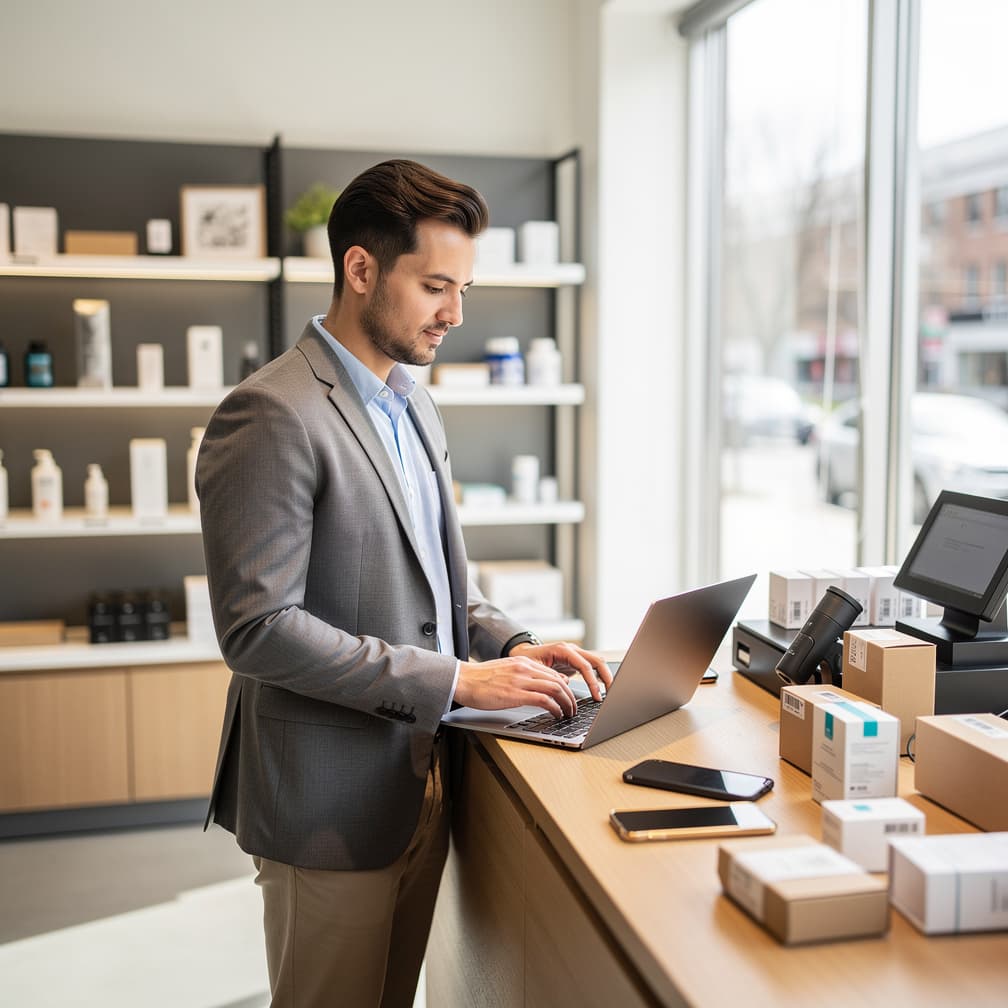
Running an online store in Maryland means balancing digital sales with local realities that can interrupt orders, damage inventory, or create customer claims. An ecommerce business insurance quote in Maryland should reflect how your operation actually works: whether you pack orders from a home office in Annapolis, manage a small warehouse near Baltimore, or use a leased suite for returns and pickups. Maryland’s hurricane risk, flooding exposure, and storm-related downtime can affect packing, shipping, and customer service timelines. At the same time, ecommerce sellers often need protection for product liability, cyber attacks, and third-party claims that can arise from online transactions, customer data, or a small retail space. Maryland also has a market with many insurers and a premium environment that sits above the national average, so comparing terms matters as much as comparing price. The goal is to line up coverage that fits your storefront, your shipping workflow, and your lease requirements without paying for protections you do not need.
Climate Risk Profile
Natural Disaster Risk in Maryland
Understanding climate-related risks helps determine appropriate insurance coverage levels.
Hurricane
High
Flooding
High
Severe Storm
Moderate
Winter Storm
Moderate
Expected Annual Loss from Natural Hazards
$680M
estimated economic loss per year across Maryland
Source: FEMA National Risk Index
Risk Factors for E-Commerce Business Businesses in Maryland
- Maryland ecommerce businesses face hurricane-related business interruption and building damage exposure when offices, storage rooms, or packing areas are disrupted.
- Flooding in Maryland can interrupt order fulfillment, damage valuable papers, and delay access to inventory-handling equipment and mobile property.
- Severe storm and winter storm conditions in Maryland can increase the chance of vandalism, equipment breakdown, and temporary business interruption for online retailers.
- Maryland online sellers can face customer injury and slip and fall claims if they operate a pickup point, showroom, or small retail space attached to their ecommerce operation.
- Cyber attacks in Maryland ecommerce operations can trigger ransomware, data breach, privacy violations, and network security losses tied to payment and customer data.
- Maryland businesses that ship tools, contractors equipment, or other mobile property may need protection for equipment in transit and installation-related exposures.
How Much Does E-Commerce Business Insurance Cost in Maryland?
Average Cost in Maryland
$57 – $237 per month
Average monthly cost for small businesses
* Estimates based on industry averages. Actual premiums depend on your specific business details, claims history, and coverage selections. Rates shown are for informational purposes only and do not constitute a quote.
What Maryland Requires for E-Commerce Business Insurance
Non-compliance can result in fines, loss of contracts, and personal liability:
- Workers' compensation is required in Maryland for businesses with 1 or more employees, with exemptions for sole proprietors, partners, and corporate officers.
- Maryland businesses commonly need proof of general liability coverage for most commercial leases, so lease review matters before requesting a quote.
- Commercial auto minimum liability in Maryland is $30,000/$60,000/$15,000 if the ecommerce business uses vehicles for deliveries, pickups, or supply runs.
- Coverage choices should account for Maryland Insurance Administration rules and any carrier-specific underwriting questions tied to online retail operations.
- When comparing quotes, Maryland sellers should confirm whether cyber insurance, general liability, commercial property, and inland marine are included or offered as separate policies.
- For leased or shared spaces in Maryland, buyers should verify whether the landlord requires additional insured wording or specific liability limits before binding coverage.
Get Your E-Commerce Business Insurance Quote in Maryland
Compare rates from multiple carriers. Free quotes, no obligation.
Common Claims for E-Commerce Business Businesses in Maryland
A Maryland customer visits a pickup counter in Annapolis, slips near the entrance, and files a third-party claim for medical costs and legal defense.
A ransomware attack locks the online store’s order system, forcing data recovery work and delaying shipments while customer records are reviewed for a data breach.
A severe storm in Maryland damages packing equipment and interrupts fulfillment from a leased storage space, leading to lost sales and temporary business interruption.
Preparing for Your E-Commerce Business Insurance Quote in Maryland
Your Maryland business address, whether you operate from home, a warehouse, a leased suite, or a pickup location.
Annual revenue, monthly sales volume, and the type of products you sell online.
Details on customer contact points, shipping workflow, payment processing, and any use of mobile property or equipment in transit.
Current lease requirements, desired coverage limits, and whether you need general liability, cyber liability, commercial property, or inland marine coverage.
Coverage Considerations in Maryland
- General liability insurance for third-party claims, including customer injury, slip and fall, and advertising injury tied to your online store or pickup location.
- Cyber liability insurance for ransomware, data breach, phishing, malware, data recovery, and privacy violations affecting customer records and payment information.
- Commercial property insurance for building damage, storm damage, fire risk, theft, vandalism, and business interruption tied to your Maryland location.
- Inland marine insurance for equipment in transit, mobile property, tools, contractors equipment, and valuable papers used in daily ecommerce operations.
What Happens Without Proper Coverage?
Online retail can create claims even when you never meet a customer face to face. A package can arrive damaged, a product can be blamed for injury, a listing can trigger an advertising injury claim, or a payment system issue can turn into a data breach response. That is why many owners look for business insurance for online sellers that reflects how e-commerce really works.
If you sell physical products, product liability coverage for ecommerce is often one of the first things to review. Claims can arise from how an item is manufactured, labeled, packaged, or used after delivery. General liability insurance may also be important for third-party claims, legal defense, settlements, and customer injury issues connected to your business operations. Even an online brand can face a slip and fall claim if a customer or vendor visits a pickup point, warehouse, or storage site.
Cyber exposure is another reason to get a quote. Online stores depend on checkouts, payment processors, customer records, and order systems. A cyber event can involve ransomware, phishing, malware, social engineering, privacy violations, network security failures, or data recovery work. Cyber insurance for online retailers is designed to help address those digital-first losses and the costs that come with responding to them.
The physical side of e-commerce also matters. Inventory, packing stations, barcode scanners, laptops, tablets, and shipping tools can all be part of your operation. Depending on how you store and move goods, commercial property insurance or inland marine insurance may help with building damage, fire risk, theft, storm damage, vandalism, equipment breakdown, business interruption, equipment in transit, tools, mobile property, contractors equipment, installation, builders risk, or valuable papers.
Ecommerce insurance requirements are not one-size-fits-all. Your needs can vary based on the platforms you use, the states where you sell, your warehouse setup, and the contracts you sign. That is why an ecommerce business insurance quote is useful: it helps you compare coverage options against the way your store actually operates.
If you want a policy that fits a digital-first retail business, start with the details that shape your risk. Products sold, annual sales, fulfillment method, storage locations, and cyber controls all matter. The more complete your information, the easier it is to build an ecommerce insurance quote that reflects your operation rather than a generic retail profile.
Recommended Coverage for E-Commerce Business Businesses
Based on the risks and requirements above, e-commerce business businesses need these coverage types in Maryland:

General Liability Insurance
Essential coverage for every business — protect against third-party bodily injury, property damage, and advertising claims.

Cyber Liability Insurance
Defend your business against data breaches, cyberattacks, and digital liability with cyber coverage.

Commercial Property Insurance
Safeguard your business property, equipment, and inventory against damage and loss.

Inland Marine Insurance
Protect tools, equipment, and goods in transit or stored at locations away from your primary premises.
E-Commerce Business Insurance by City in Maryland
Insurance needs and pricing for e-commerce business businesses can vary across Maryland. Find coverage information for your city:
Insurance Tips for E-Commerce Business Owners
Match your ecommerce liability insurance limits to the products you sell and the volume of orders you handle.
Ask whether product liability coverage for ecommerce is included or needs to be added separately.
Review cyber insurance for online retailers if you store customer data, process payments, or depend on cloud platforms.
Check whether your policy can address business interruption if a covered event pauses order fulfillment.
List every storage, packing, and fulfillment location so your ecommerce insurance coverage reflects how you operate.
Share details about tools, mobile property, and equipment in transit so your quote is based on real exposures.
FAQ
Frequently Asked Questions About E-Commerce Business Insurance in Maryland
It typically centers on general liability, cyber liability, commercial property, and inland marine. For Maryland sellers, that can mean protection for customer injury, third-party claims, ransomware, data breach response, storm damage, and equipment in transit, depending on your policy choices.
The average premium range provided for Maryland is $57 to $237 per month, but actual ecommerce insurance cost in Maryland varies based on revenue, product type, lease requirements, claim history, location, and the coverage limits you choose.
In Maryland, workers' compensation is required if you have 1 or more employees, and many commercial leases ask for proof of general liability coverage. If you use vehicles, Maryland’s commercial auto minimums also matter.
Many online sellers in Maryland add product liability coverage for ecommerce because a customer claim can arise after an item is shipped and used off-site. The right limit depends on what you sell and how your contracts are written.
Yes. Cyber insurance for online retailers can address ransomware, data breach response, data recovery, phishing, malware, and privacy violations. If your store processes customer data or payments, that coverage is often a key part of ecommerce insurance coverage in Maryland.
Coverage can vary, but many online retailers look at general liability, cyber liability, commercial property, and inland marine options. Those may help with third-party claims, product liability, data breach response, equipment, and inventory-related exposures.
Ecommerce insurance cost varies based on location, revenue, product type, limits, and the coverage you choose. The fastest way to narrow it down is to request an ecommerce insurance quote with your business details.
Be ready to share what you sell, how you ship, where inventory is stored, your annual sales, your sales channels, and whether you handle customer data or payment information. Those details help shape your quote.
Start with the risks tied to your products, order systems, storage setup, and customer data. Then compare ecommerce insurance coverage options for liability, cyber, property, and transit-related exposures.
Even without a storefront, many online sellers still review general liability, cyber liability, commercial property, and inland marine coverage. The right mix depends on whether you store inventory, use mobile equipment, or rely on third-party fulfillment.
Updated March 31, 2026
CPK Insurance Editorial Team
Reviewed by Licensed Insurance Agents