
Updated March 31, 2026

CPK Insurance Editorial Team
Reviewed by Licensed Insurance Agents
Homeowners Insurance in Boston
Buying homeowners insurance in Boston means balancing older housing stock, dense neighborhoods, and a high-cost market where small coverage mistakes can become expensive later. For homeowners insurance in Boston, the first question is not just whether you have a policy, but whether your dwelling limit, personal property protection, and loss-of-use limits actually fit the realities of a triple-decker in Dorchester, a rowhouse in South End, or a condo near Back Bay. In a city with a cost of living index of 128 and a median home value of $552,000, rebuilding and replacing property can run differently than the sale price suggests. Boston also has a crime index of 130 and elevated larceny-theft and burglary activity, which makes theft-related protection worth reviewing carefully. Local weather risk is less about frequent major disasters and more about winter storm damage, ice dam damage, frozen pipe bursts, and snow load collapse, especially for older roofs, attics, and exterior structures. If you are comparing homeowners insurance coverage in Boston, the key is matching limits to the home’s structure, contents, and neighborhood exposure rather than relying on a one-size-fits-all quote.
Homeowners Insurance Risk Factors in Boston
Boston’s most practical risks are tied to winter weather and dense urban property exposure. The city’s top risks include winter storm damage, ice dam damage, frozen pipe bursts, and snow load collapse, all of which can affect dwelling coverage, other structures, and additional living expenses if repairs force you out of the home. Older roofs, narrow lot lines, and attached buildings can make a roof or water-loss claim more complicated than in newer suburban areas. Boston’s crime index of 130 also matters for personal property coverage because theft and burglary are part of the local risk picture, especially in higher-traffic neighborhoods and multi-unit buildings. For homeowners insurance in Boston, the main issue is making sure your policy responds to the kinds of losses that are most likely here: water intrusion from winter weather, structural stress from snow, and stolen belongings from a break-in.
Massachusetts has a moderate climate risk rating. Top hazards: Nor'easter (Very High), Hurricane (High), Flooding (High), Winter Storm (High). The state's expected annual loss from natural hazards is $1.2B, which influences homeowners insurance premiums and may affect coverage availability in high-risk areas.
What Homeowners Insurance Covers
A Massachusetts homeowners policy is built around dwelling coverage, personal property coverage, liability coverage, additional living expenses coverage, other structures coverage, and medical payments coverage. In this state, the most important coverage question is whether your dwelling limit can rebuild your home at local construction prices, not just replace the market value of the property. That matters because reconstruction costs and the average dwelling coverage of $478,400 are both high enough that underinsuring can leave a gap after a major loss. Massachusetts homeowners insurance coverage also needs a careful look at wind and hurricane deductibles in coastal areas, because those deductibles may apply separately from the standard deductible. Flood damage is not included in a standard policy here, so homeowners insurance in Massachusetts excludes that risk unless you buy separate flood insurance through NFIP or a private flood carrier. The state is regulated by the Massachusetts Division of Insurance, which means policy terms, endorsements, and claim handling are governed locally, but the exact protection still depends on the contract you choose. If you are comparing dwelling coverage in Massachusetts, personal property coverage in Massachusetts, or liability coverage in Massachusetts, the key is to confirm what is covered for fire, wind, theft, and other common property damage scenarios before binding the policy.
Coverage Included

Dwelling
Protection for dwelling-related losses and claims

Personal Property
Protection for personal property-related losses and claims

Liability
Protection for liability-related losses and claims

Additional Living Expenses
Protection for additional living expenses-related losses and claims
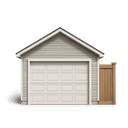
Other Structures
Protection for other structures-related losses and claims

Medical Payments
Protection for medical payments-related losses and claims
Homeowners Insurance Cost in Boston
In Massachusetts, homeowners insurance premiums are 26% above the national average. Comparing quotes from multiple carriers is especially important here.
Average Cost in Massachusetts
$105 – $473 per month
per month
- Home replacement cost and age
- Claims history
- Location and weather risk
- Roof type and condition
- Coverage limits and deductibles
Contact CPK Insurance for a personalized quote.
National average: $100 – $250 per month
* Estimates based on industry averages. Actual premiums depend on your specific business details, claims history, and coverage selections. Rates shown are for informational purposes only and do not constitute a quote.
The cost of homeowners insurance in Massachusetts is shaped by a market where the average premium is $135 per month, while the state-specific range runs from about $105 to $473 per month depending on the home and policy choices. That puts homeowners insurance cost in Massachusetts above the national average in many cases, with a premium index of 126 and a state premium level reported at 26% above national in the provided data. Several local factors explain that spread: the state has very high Nor'easter exposure, high hurricane and flooding risk, and high winter storm risk, all of which can increase loss potential. Older homes, roof age, local crime conditions, and proximity to fire stations and hydrants also affect pricing, especially in dense areas like Boston and other older Massachusetts communities. The state’s median household income is $96,505, but the premium you are quoted still depends more on dwelling limit, deductible, claims history, endorsements, and location than on income alone. Massachusetts also has 560 active insurance companies, which creates a competitive market, but competition does not eliminate the impact of coastal risk or rebuilding costs. If you request a homeowners insurance quote in Massachusetts, expect the carrier to test how much dwelling coverage, personal property coverage, liability coverage, and additional living expenses coverage you choose before giving a final price.
Industries & Insurance Needs in Boston
Boston’s economy creates a mix of homeowners with different coverage needs. Healthcare & Social Assistance makes up 17.2% of employment, Education is 11.8%, Retail Trade is 10.6%, Professional & Technical Services is 9.4%, and Finance & Insurance is 5.4%. That mix means many residents own homes while working in fields that depend on predictable commuting, stable housing, and protected personal assets. Higher concentrations of professionals and educators can increase demand for homeowners insurance coverage in Boston that protects electronics, furniture, and other personal property inside condos, townhomes, and multi-family homes. Retail and service workers may also be more sensitive to temporary housing needs after a covered loss, making additional living expenses coverage in Boston an important part of the conversation. In a city with 18,242 business establishments, many households also live in neighborhoods where property turnover, renovations, and older building stock are common, so policy details matter.
Homeowners Insurance Costs in Boston
Boston’s cost of living index of 128 and median household income of $106,156 shape what homeowners are willing to pay, but premiums still track the home and coverage choices more than income alone. In a market with a median home value of $552,000, many owners need enough dwelling coverage to reflect the true cost of repairs or rebuilding, not just the property’s market price. That matters in Boston’s older neighborhoods, where labor, materials, and access constraints can raise claim costs. A higher-cost city can also push people to underinsure personal property or lower loss-of-use limits to keep the premium down, but that can leave gaps after a covered loss. If you are comparing homeowners insurance cost in Boston, expect the quote to reflect building age, roof condition, and the neighborhood’s exposure to theft and winter-related damage.
What Makes Boston Different
Boston changes the insurance calculus because the city combines high property values, dense construction, and winter-driven loss patterns in a way that makes the details of the policy matter more than the headline premium. A home here may be attached to neighboring structures, built decades ago, or exposed to snow and ice in ways that increase the chance of water intrusion, roof stress, or temporary displacement. At the same time, Boston’s crime index of 130 and local theft trends make personal property protection a real concern, not a theoretical one. The biggest difference is that a Boston homeowner often needs to think about both structure and contents in a compact, high-value environment where replacement costs, access, and repair logistics can all be more demanding than expected.
Our Recommendation for Boston
For Boston buyers, start by checking whether your dwelling coverage matches the actual rebuild cost of your home, especially if you own an older property, a condo, or a multi-family building. Review your personal property coverage with an eye toward what you actually keep on site, including electronics, furniture, and seasonal items, because theft and burglary are part of the local loss picture. Ask how your policy handles winter-related damage such as ice dams, frozen pipes, and snow load, and confirm whether any exclusions or deductibles affect those claims. If you would need to live elsewhere during repairs, make sure additional living expenses coverage is realistic for Boston’s housing costs. Finally, compare a few quotes and read the policy language carefully; in a city with older homes and dense neighborhoods, the difference between similar premiums can be the scope of protection, not just the price.
Get Homeowners Insurance in Boston
Enter your ZIP code to compare homeowners insurance rates from carriers in Boston, MA.
Homeowners insurance starting at $50/mo
FAQ
Frequently Asked Questions
The biggest Boston risks are winter storm damage, ice dam damage, frozen pipe bursts, and snow load collapse, so it helps to review how your policy handles those losses before you buy.
Boston has many older and attached homes, so dwelling coverage should be based on rebuild cost and building characteristics, not just the market value of the property.
Yes. Boston’s crime index is elevated, and theft and burglary are part of the local risk picture, so personal property coverage can matter if belongings are stolen or damaged in a covered loss.
If winter damage or a pipe burst makes your home unlivable, Boston’s higher housing costs can make temporary lodging expensive, so it is worth checking whether your loss-of-use limit is enough.
Compare dwelling coverage, personal property coverage, liability coverage, and additional living expenses coverage, and ask how the policy handles winter-related damage and theft in your neighborhood.
In Massachusetts, homeowners insurance usually covers dwelling damage, personal property, liability, additional living expenses, other structures, and medical payments, but the exact scope depends on the policy form and endorsements you choose.
You should set dwelling coverage high enough to rebuild your home at current construction costs, which is especially important in Massachusetts because the average dwelling coverage in the data is $478,400 and rebuild costs can differ from market value.
Yes, mortgage lenders usually require homeowners insurance in Massachusetts even though the state does not legally require every homeowner to carry it.
No, standard homeowners insurance in Massachusetts excludes flood damage, so you would need separate flood coverage through NFIP or a private flood insurer.
In coastal Massachusetts, a policy may apply a separate wind or hurricane deductible, so you should confirm that language before you buy because it can affect the amount you pay after a storm claim.
Your quote is influenced by dwelling limit, deductible, claims history, roof age and material, home condition, location, and any endorsements you add, with coastal risk and older homes often affecting the price.
Gather your home details, compare several carriers in the Massachusetts market, and ask specifically about dwelling coverage, personal property coverage, liability coverage, additional living expenses coverage, and any separate wind deductible.
Homeowners insurance covers four main areas: dwelling coverage for your home's structure, personal property coverage for your belongings, liability coverage if someone is injured on your property, and additional living expenses if you need to live elsewhere while your home is repaired. It protects against perils like fire, windstorms, hail, theft, and vandalism.
You should carry enough dwelling coverage to rebuild your home at current construction costs, not just the purchase price or market value. Personal property coverage typically starts at 50-70% of your dwelling coverage. Liability coverage of at least $300,000 is recommended, with an umbrella policy for additional protection. CPK Insurance can help you calculate the right coverage levels.
No. Standard homeowners insurance does not cover flood damage. You need a separate flood insurance policy, which can be obtained through the National Flood Insurance Program (NFIP) or private flood insurers. Even if you are not in a high-risk flood zone, flood coverage is worth considering since over 20% of flood claims occur in low-to-moderate risk areas.
Most homeowners insurance policies can be quoted and bound within 24-48 hours for standard risks. An independent agent like CPK Insurance can compare options from multiple carriers and have your policy in place quickly. Certificates of insurance are typically available the same day the policy is bound.
Yes. Bundling homeowners with auto insurance typically saves 15-25% through multi-policy discounts. Many carriers also offer discounts for adding umbrella liability coverage. An independent agent can help you find the best bundle pricing across multiple carriers.
Key factors include your home's replacement cost, age and condition, roof type and age, proximity to fire stations and hydrants, local weather risks (hurricanes, hail, wildfires), your claims history, credit-based insurance score, deductible choices, and coverage limits. Homes in high-risk areas or with older roofs pay significantly more.
Homeowners insurance typically covers sudden water damage like burst pipes or appliance leaks, but does not cover gradual leaks, sewer backups (without an endorsement), or flood damage. Flood insurance must be purchased separately through the NFIP or a private insurer. Ask your agent about water backup endorsements for additional protection.
Contact your insurance carrier's claims department immediately — most have 24/7 claims hotlines. Document the incident thoroughly with photos, written descriptions, and witness information. Notify your insurance agent as well. Prompt reporting is important, as delays can complicate or jeopardize your claim.
Updated March 31, 2026
CPK Insurance Editorial Team
Reviewed by Licensed Insurance Agents